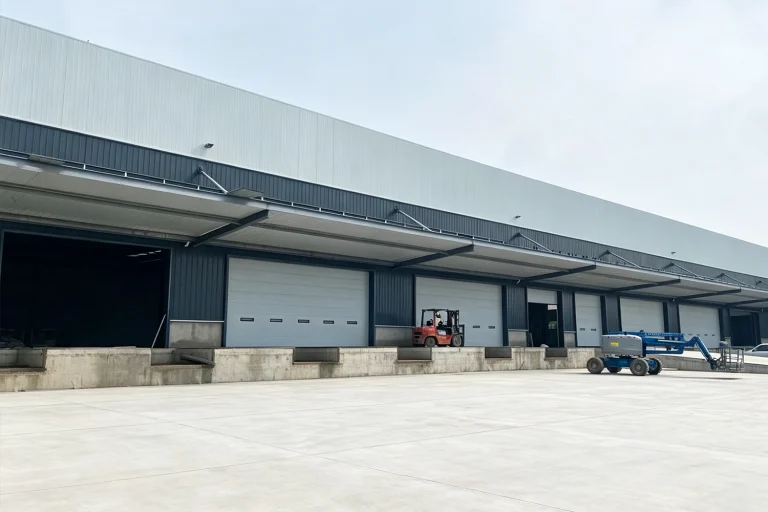
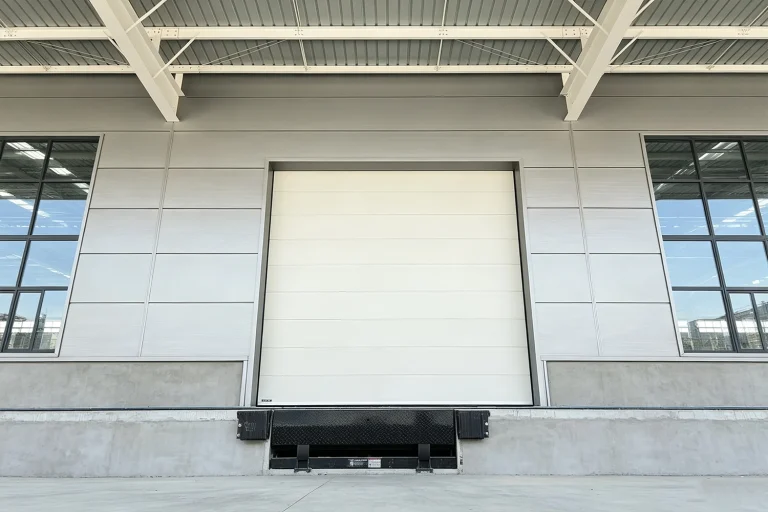
How to Import Commercial Sectional Doors to the Pacific Northwest (US)
The Pacific Northwest (PNW)—encompassing major logistics hubs in Washington and Oregon, such as Seattle, Tacoma, and Portland—is experiencing a massive boom in commercial and industrial development. However, regional distributors and facility contractors face a unique set of challenges. The combination of a notoriously wet, corrosive climate, some of the strictest energy conservation codes in the United States, and inflated domestic manufacturing prices makes sourcing commercial sectional doors incredibly difficult. To maximize project margins and ensure long-term durability, savvy PNW buyers are increasingly turning to direct overseas importation. This guide outlines the critical engineering specifications and logistical strategies required to successfully import commercial sectional doors to the Pacific Northwest.
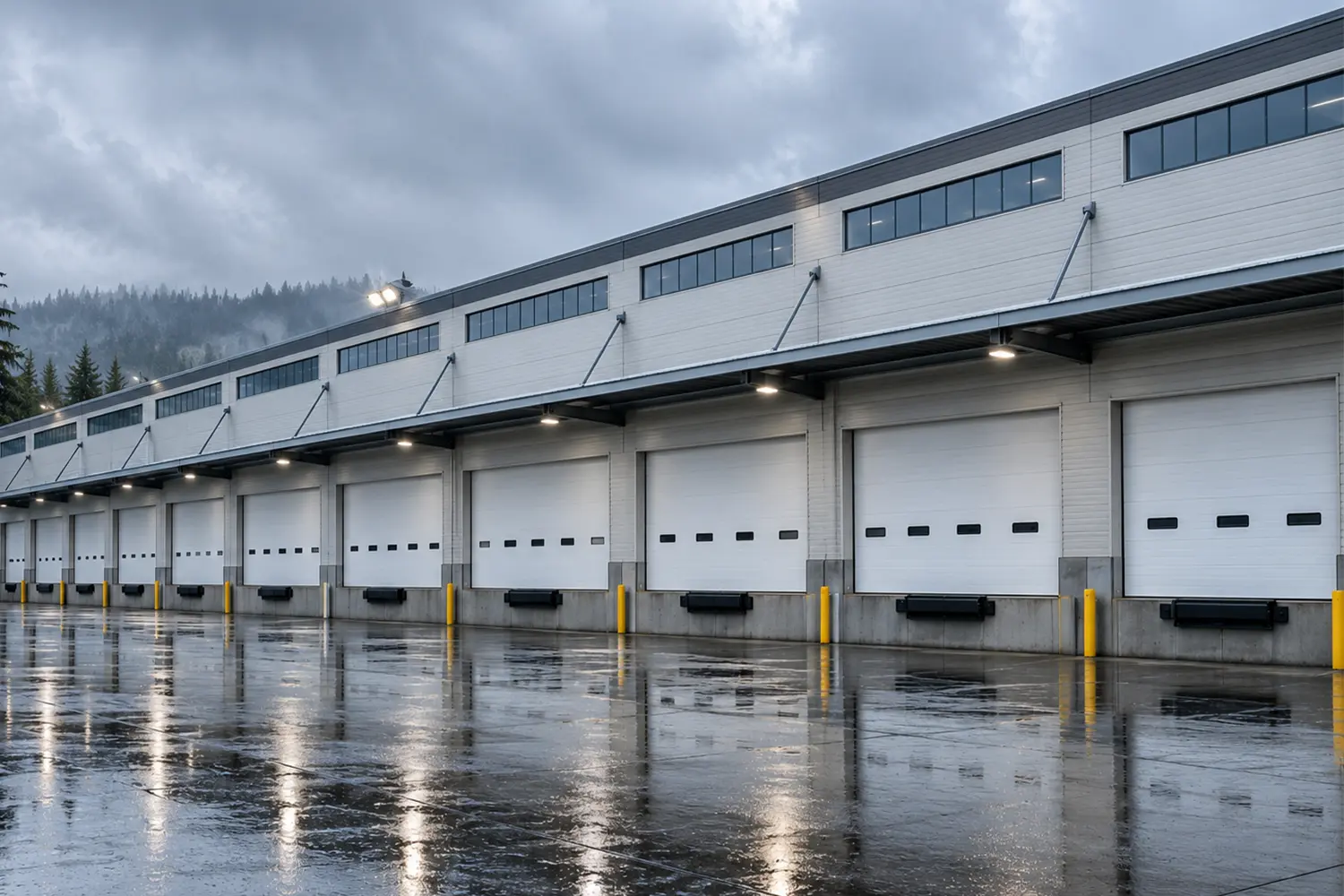
Challenge 1: Combating the PNW Climate
The Pacific Northwest is characterized by prolonged periods of heavy rain, high humidity, and coastal salt air. Standard commercial doors equipped with untreated steel hardware and basic paint finishes will succumb to rust and corrosion within a few harsh winters. When importing doors for this region, buyers must specify moisture-resistant metallurgy.
First, the track systems must be upgraded. Avoid any tracks that utilize spot welding, as the welding process burns away protective coatings and creates immediate entry points for rust. Specify 1.8mm heavy-duty galvanized steel tracks with secure bolt-on connections. Second, the torsion springs—the most critical moving part of the door—must be protected. Bare steel springs will oxidize rapidly in the damp Seattle or Portland air. Ensure the manufacturer utilizes 55CrSi or 60Si2Mn steel springs that have undergone rigorous electrophoretic treatments, providing a durable, moisture-resistant barrier that guarantees a 30,000+ cycle lifespan.
Challenge 2: Strict Regional Energy Codes
Washington and Oregon enforce highly progressive commercial building energy codes, often exceeding the baseline requirements of the International Energy Conservation Code (IECC). Facility developers must prove that their building envelopes minimize thermal transmittance. Importing cheap, uninsulated doors, or doors filled with low-density EPS, will result in failed building inspections and denied occupancy permits.
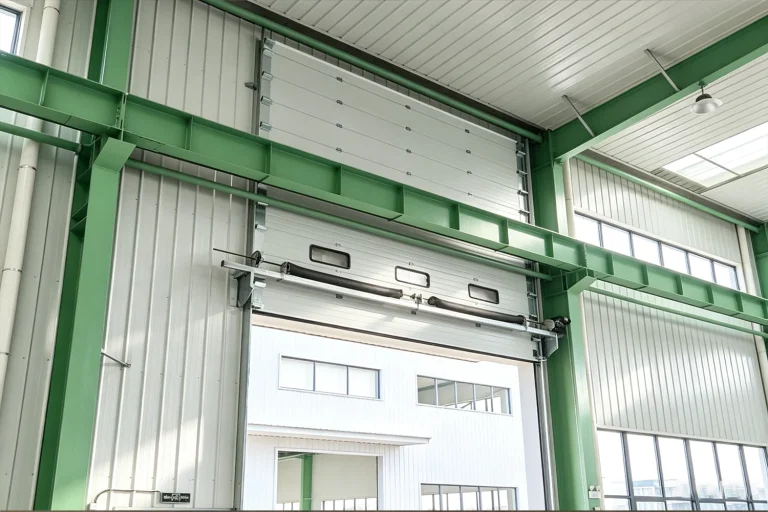
To meet PNW energy standards, imported sectional doors must utilize high-density Polyurethane (PU) foam. The specification should demand CFC-free cyclopentane PU foam injected at a density of 45-48 kg/m³. Furthermore, the damp, cold winters require the elimination of thermal bridging to prevent interior condensation and frost. Buyers should source doors featuring a patented broken-bridge design, which physically separates the interior and exterior steel skins. This thermal break, combined with 40mm to 80mm PU panels, achieves R-values up to 17, easily satisfying the rigorous thermal performance requirements of Pacific Northwest building inspectors.
Challenge 3: Navigating Logistics and DDP Shipping
The Ports of Seattle and Tacoma are major gateways for trans-Pacific freight, making the PNW geographically ideal for importing from top-tier Asian manufacturers. However, managing ocean freight, navigating US Customs and Border Protection (CBP), and paying import tariffs can be a logistical nightmare for regional distributors who lack dedicated import departments.
The most effective strategy to eliminate this friction is to partner with an OEM manufacturer that offers DDP (Delivered Duty Paid) shipping. Under DDP terms, the overseas factory assumes total responsibility for the shipment from their manufacturing base directly to your warehouse in Portland or your job site in Seattle. The manufacturer handles the accurate Harmonized System (HS) coding (e.g., 7308.30), pays all US import duties, and manages the inland trucking. This provides the buyer with a single, transparent landed cost, protecting project budgets from unexpected port demurrage fees or tariff fluctuations.
The OEM Sourcing Advantage
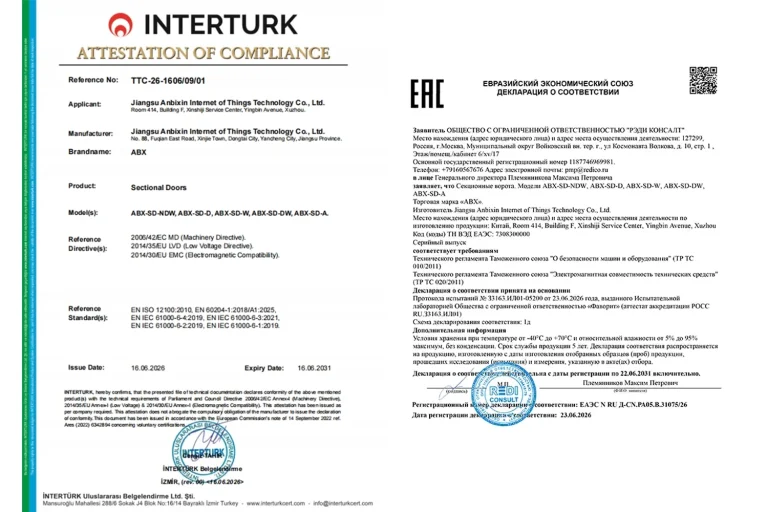
By bypassing domestic middlemen and sourcing directly from a certified global OEM, Pacific Northwest distributors can secure heavy-duty, climate-optimized sectional doors at true wholesale pricing. When vetting an overseas partner, ensure they operate fully automatic continuous production lines to guarantee zero-defect consistency across full container loads. Furthermore, demand verifiable testing data for ANSI/DASMA 102 (Thermal) and 108 (Wind Load) to ensure seamless compliance with local building authorities. By combining advanced moisture-resistant engineering with strategic DDP logistics, PNW contractors can drastically improve their project ROI while delivering world-class industrial passage solutions.
CONTACT ABX
Your Direct Source for Industrial Access Solutions
We offer 24/7 support. Feel free to leave us a message — we'll reply within 24 hours.