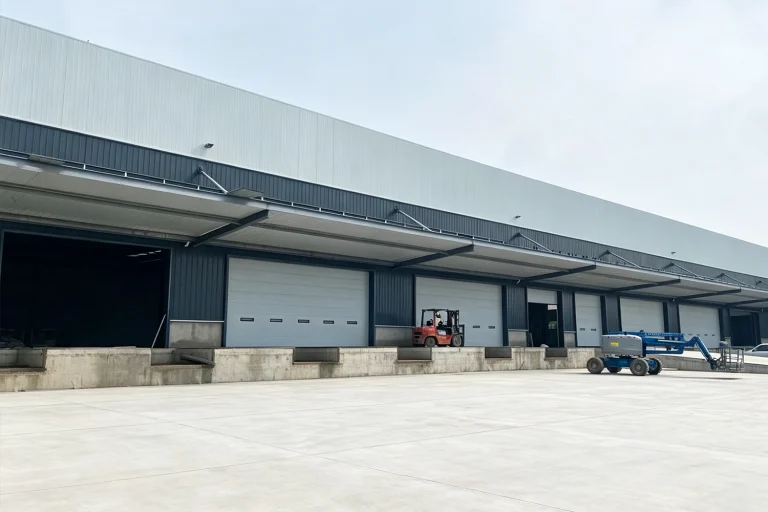
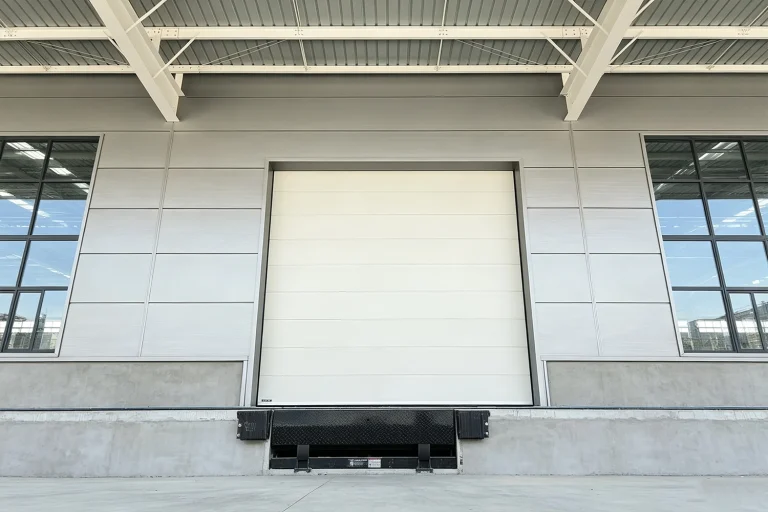
Evaluating Total Cost of Ownership (TCO) for Heavy-Duty Industrial Doors
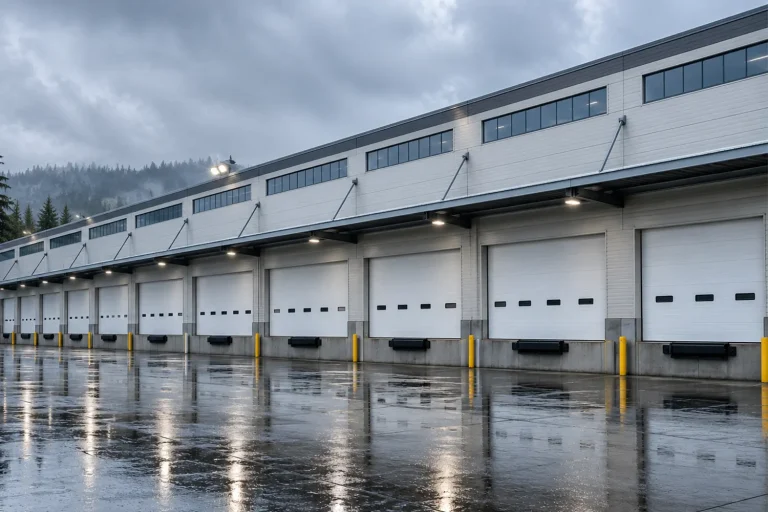
In commercial construction and facility management, the procurement of industrial doors is frequently driven by a flawed metric: the lowest upfront bid. While minimizing initial Capital Expenditure (CapEx) looks attractive on a preliminary project budget, it often masks a disastrous long-term financial reality. Heavy-duty industrial doors are dynamic, highly stressed machines that operate at the critical bottlenecks of a supply chain. Evaluating the Total Cost of Ownership (TCO) over a 10-to-15-year lifecycle is the only accurate method for CFOs and procurement directors to measure the true financial impact of their loading dock infrastructure.
The TCO Equation: CapEx vs. OpEx
Total Cost of Ownership is calculated by adding the initial purchase and installation price (CapEx) to the cumulative Operating Expenses (OpEx) incurred over the equipment’s lifespan. For industrial sectional doors, OpEx comprises three primary categories: energy loss, routine maintenance and repairs, and the hidden cost of operational downtime. When buyers opt for cheap, uncertified doors, the initial CapEx savings are rapidly obliterated by skyrocketing OpEx.
Energy Efficiency: The Silent TCO Driver
In climate-controlled warehouses, cold storage facilities, and pharmaceutical logistics hubs, HVAC and refrigeration represent the largest ongoing utility expense. The thermal envelope is only as strong as its weakest link—the loading dock doors. Standard commercial doors filled with low-density EPS insulation or lacking proper thermal breaks allow massive amounts of conditioned air to escape.
To lower the TCO, facility managers must invest in high-density Polyurethane (PU) insulated doors. Premium manufacturers inject CFC-free PU foam at 45-48 kg/m³ density. When paired with a patented broken-bridge design to eliminate thermal bridging, an 80mm panel can achieve an R-value up to 17. While these highly engineered doors carry a slightly higher CapEx, the resulting reduction in daily HVAC electrical loads often yields a complete return on investment within the first 24 months, generating pure operational savings for the remainder of the door’s lifespan.
Maintenance Costs and Hardware Lifespan
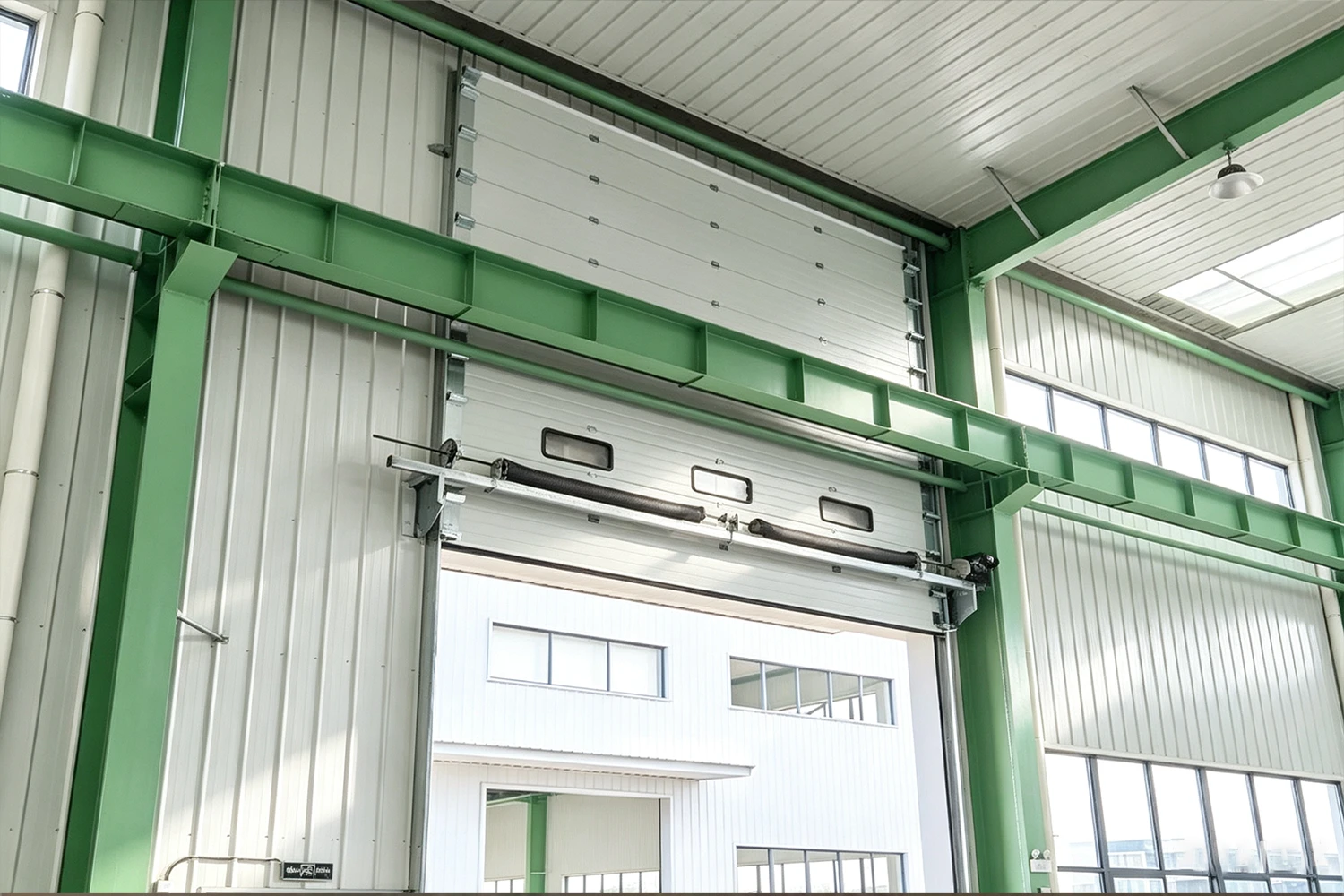
The mechanical hardware of a sectional door dictates its maintenance budget. Low-tier suppliers cut costs by utilizing thin 1.5mm spot-welded tracks and untreated carbon steel torsion springs rated for a mere 10,000 cycles. In a busy distribution center cycling 30 times a day, these springs will snap in less than a year, requiring expensive emergency service calls and replacement parts.
Minimizing maintenance TCO requires specifying heavy-duty, high-cycle hardware from the outset. ABX Doors equips its industrial sectional doors with 1.8mm galvanized steel tracks featuring secure bolt-on connections, completely eliminating the rust and stress fractures associated with cheap welds. Furthermore, we utilize shot-peened 55CrSi or 60Si2Mn steel torsion springs guaranteed for 30,000+ cycles. By extending the mechanical lifespan of the most highly stressed components by 300%, facilities drastically reduce their annual maintenance budgets.
The Catastrophic Cost of Unplanned Downtime
The most expensive component of TCO does not appear on a repair invoice; it appears on the facility’s balance sheet as lost revenue. When a loading dock door fails—whether due to a snapped spring, a derailed roller, or a burnt-out motor—that specific bay is paralyzed. In a high-throughput logistics center, a single paralyzed bay causes immediate supply chain bottlenecks. Trucks are delayed, labor sits idle, and in the case of cold storage, temperature-sensitive inventory is put at risk of spoilage.
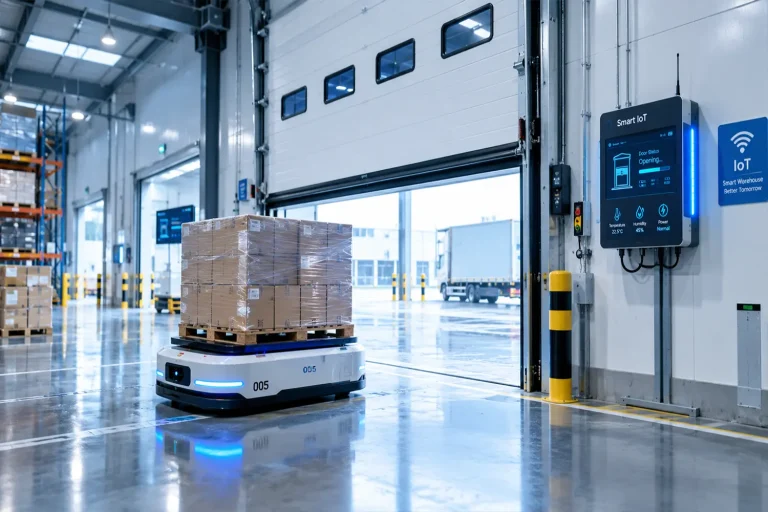
The financial impact of unplanned downtime can cost a facility thousands of dollars per hour. Investing in premium OEM doors equipped with Smart IoT control boxes mitigates this risk. Smart controllers monitor motor torque and cycle counts, providing predictive maintenance alerts before a catastrophic failure occurs. This allows maintenance teams to service the door during scheduled off-hours, ensuring 24/7 operational uptime.
Making the Strategic Procurement Decision
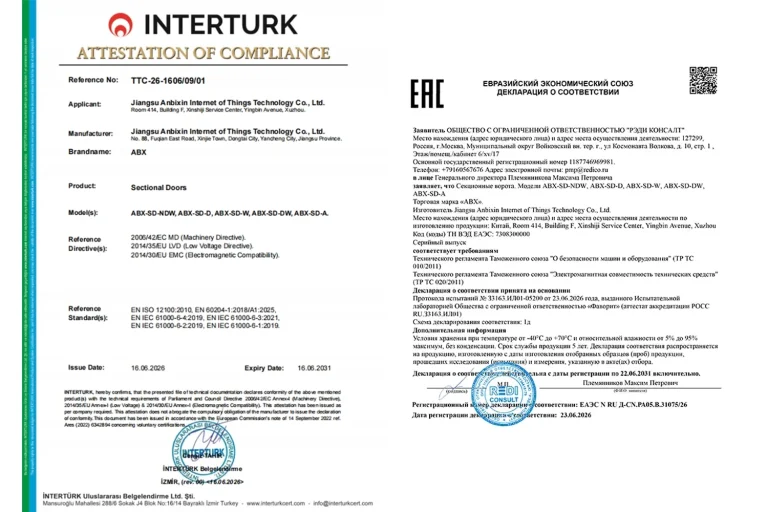
Evaluating the TCO of heavy-duty industrial doors requires a shift in procurement philosophy. By moving away from the lowest-bidder mentality and partnering with a certified, Fortune 500-trusted OEM manufacturer like ABX Doors, facility developers can secure passage solutions engineered for longevity. Investing in high-density PU thermal breaks, 30,000-cycle hardware, and predictive IoT maintenance guarantees the lowest possible Total Cost of Ownership, transforming the loading dock from a financial liability into a highly efficient logistical asset.
CONTACT ABX
Your Direct Source for Industrial Access Solutions
We offer 24/7 support. Feel free to leave us a message — we'll reply within 24 hours.