How Often Should Dock Levelers Be Serviced? A Guide for Facility Managers
Determining the optimal dock leveler service frequency is a common challenge for facility managers overseeing high-traffic distribution centers and industrial warehouses. A standardized approach to loading dock maintenance cannot be applied universally, as the wear and tear on a hydraulic dock leveler depends heavily on specific operational variables. For procurement teams and maintenance supervisors, establishing a precise service schedule is essential to prevent unexpected equipment failure and costly operational downtime.
The frequency of required maintenance is directly correlated with the daily cycle count, the average weight of forklift loads, and the environmental conditions of the loading bay. Facilities operating on 24/7 shifts with continuous heavy freight movement will naturally require more aggressive inspection intervals compared to single-shift operations. Furthermore, the underlying technology of the dock equipment plays a crucial role in its maintenance demands.
Traditional mechanical levelers, with their complex spring systems and moving parts, typically require frequent adjustments and lubrication. In contrast, modern hydraulic systems are engineered for lower maintenance overhead. Advanced designs, such as those utilizing an inverted cylinder configuration, fundamentally prevent oil leaks and reduce the burden on maintenance staff. This guide breaks down the critical factors that dictate how often your dock levelers should be serviced. By analyzing cycle volumes and equipment specifications, facility operators can transition from a reactive repair model to a proactive maintenance strategy, ensuring maximum uptime.
Factors Influencing Dock Leveler Service Frequency
Cycle Volume and Facility Throughput
The most significant metric for determining service intervals is the daily cycle count of the dock leveler. A cycle is defined as one complete operation of the leveler to accommodate a single trailer. Facilities processing over 20 trucks per bay daily are considered high-volume and require more frequent servicing.
For high-volume operations, a bi-monthly or quarterly maintenance schedule is highly recommended. Medium-volume facilities (10-20 trucks per day) can typically operate safely with semi-annual servicing. Low-volume bays may only require a comprehensive annual inspection, provided daily visual checks are maintained.
Environmental Conditions
The physical environment of the loading dock drastically impacts the lifespan of the equipment. Docks exposed to extreme weather, heavy rain, or corrosive coastal air experience accelerated wear on metal components and weather seals. Facilities handling caustic chemicals or operating in cold storage environments also face unique maintenance challenges.
In these harsh environments, maintenance frequency should be increased by at least 30%. Technicians must pay special attention to rust prevention, hydraulic fluid viscosity in cold temperatures, and the integrity of dock seals. [Internal Link Placeholder: Choosing Dock Shelters for Cold Storage].
Hydraulic vs. Mechanical: Maintenance Differences
The type of dock leveler installed dictates the complexity and frequency of required maintenance. Mechanical dock levelers rely on heavy-duty springs and hold-down mechanisms, which require regular tension adjustments and extensive lubrication. Failure to maintain these mechanical parts often results in the platform failing to rise or lock properly.
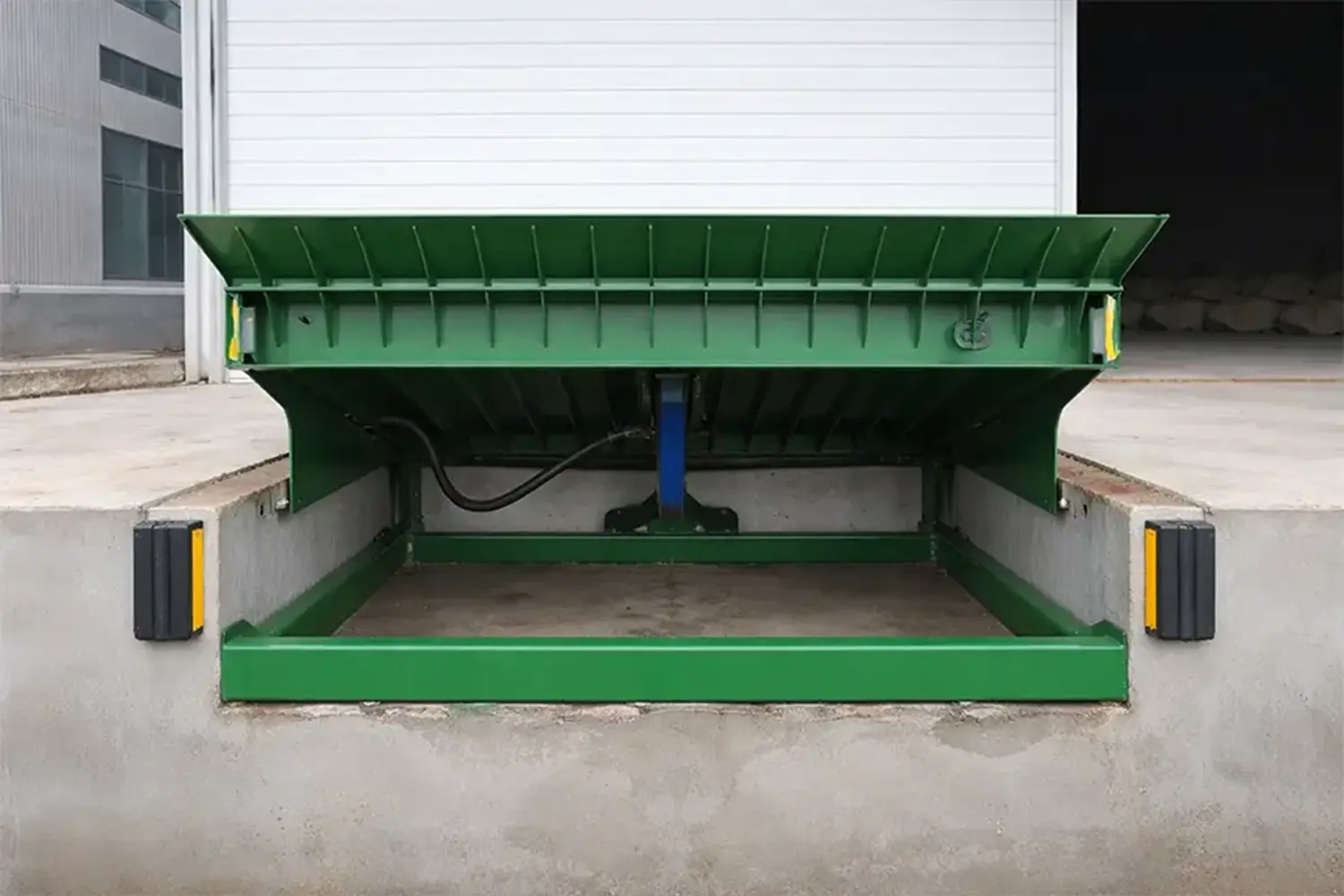
Hydraulic dock levelers offer a significantly lower maintenance profile. Premium models utilize an inverted single-cylinder design, which prevents debris accumulation and eliminates the root cause of most hydraulic leaks. While hydraulic systems require periodic fluid checks, they lack the high-wear mechanical components that necessitate constant adjustment.
Establishing a Reliable Service Schedule
Facility managers should partner with certified technicians to establish a customized service schedule based on the factors outlined above. Documenting every service visit, including parts replaced and adjustments made, creates a valuable maintenance history. This data helps predict future failures and justifies capital expenditure when equipment reaches the end of its lifecycle.
Implementing a rigid service schedule ensures compliance with safety regulations and protects the facility’s operational capacity. Consistent upkeep is the most effective method for maximizing the return on investment for industrial dock systems.
CONTACT ABX
Your Direct Source for Industrial Access Solutions
We offer 24/7 support. Feel free to leave us a message — we'll reply within 24 hours.