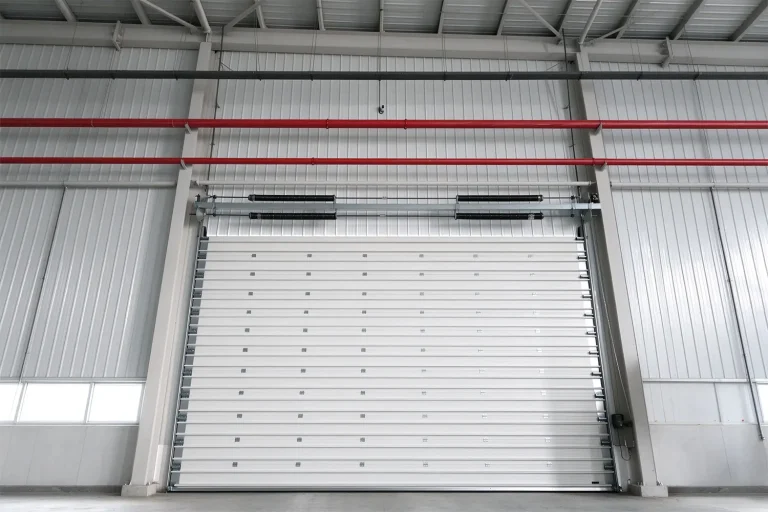
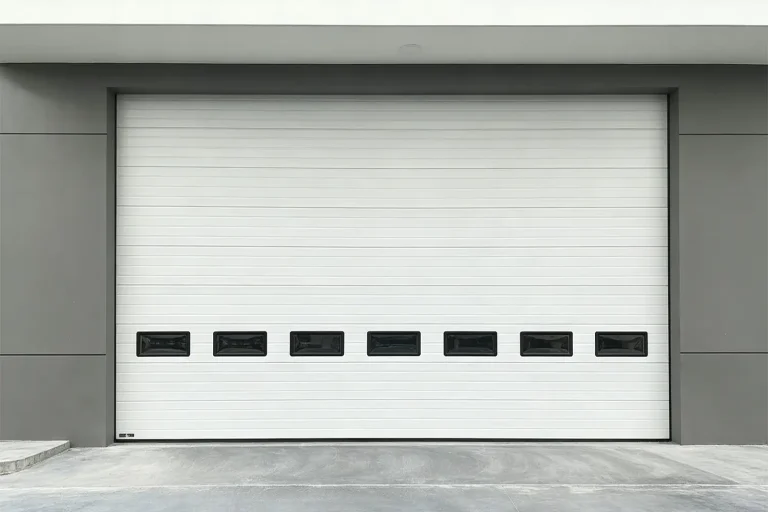
Steel vs. Aluminum Commercial Sectional Doors: Which is Right for Your Facility?
When architects and facility managers specify commercial sectional doors for a new industrial project, one of the most fundamental decisions is selecting the primary material for the door panels: steel or aluminum. While both metals offer distinct advantages, making the wrong choice can lead to premature hardware failure, compromised building security, or skyrocketing HVAC energy costs. This comprehensive engineering guide breaks down the metallurgical properties, thermal performance, and ideal application scenarios for steel versus aluminum commercial sectional doors, ensuring your facility is equipped with the optimal passage solution.
1. The Engineering Profile of Steel Sectional Doors
Steel is the undisputed heavyweight champion of the industrial door sector. It is the default choice for logistics hubs, mega-warehouses, and heavy manufacturing plants where durability and security are paramount.
Structural Rigidity and Security
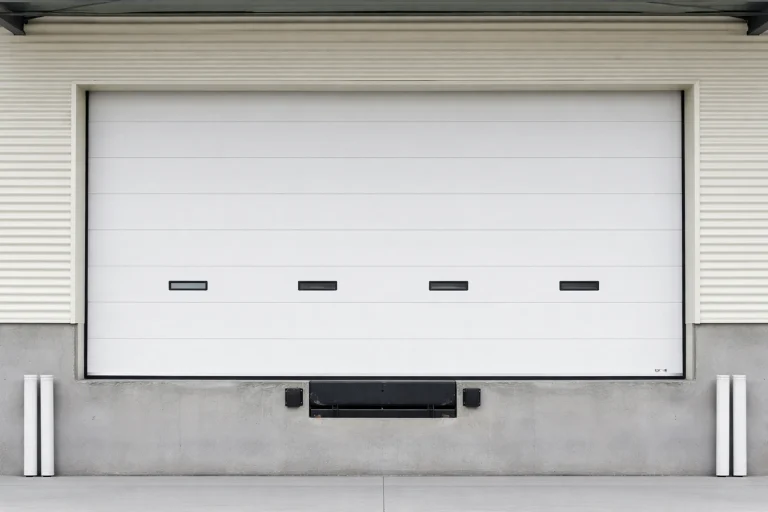
Commercial steel doors are typically manufactured using galvanized steel skins. The gauge (thickness) of the steel dictates its impact resistance. For heavy-duty applications, premium manufacturers utilize double-layer steel skins encapsulating a high-density insulation core. This composite structure provides exceptional resistance against forklift impacts, attempted break-ins, and severe wind loads. For instance, reinforced steel sectional doors can be engineered to withstand wind pressures up to 700N/m², making them mandatory for coastal facilities facing hurricane threats.
Thermal Insulation Capabilities
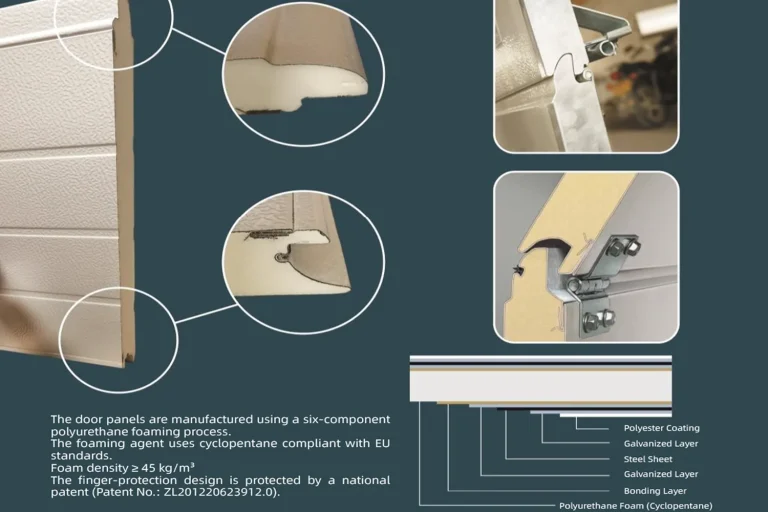
Steel itself is a highly conductive material, which means it transfers heat easily. However, when engineered as a ‘sandwich panel’ with a thermal break, steel doors offer the highest insulation values in the industry. By injecting CFC-free cyclopentane Polyurethane (PU) foam at a density of 45-48 kg/m³ between the steel skins, manufacturers can achieve R-values up to 17. The patented broken-bridge design physically separates the interior and exterior steel layers, completely eliminating thermal bridging and condensation in deep-freeze (-20°C) environments.
2. The Engineering Profile of Aluminum Sectional Doors
Aluminum sectional doors are specified when aesthetics, natural light, and extreme corrosion resistance take precedence over brute-force impact resistance. They are the standard for automotive showrooms, fire stations, and commercial retail facades.
Corrosion Resistance and Weight
Unlike steel, aluminum naturally forms a protective oxide layer when exposed to air, making it inherently rust-proof. This makes aluminum doors ideal for highly corrosive environments, such as commercial car washes, agricultural wash bays, or facilities exposed to harsh chemicals. Furthermore, aluminum is significantly lighter than steel. This reduced dead weight places less dynamic stress on the torsion springs and motor operators, potentially extending the lifecycle of the lifting hardware.
Full-View Aesthetics and Light Transmission
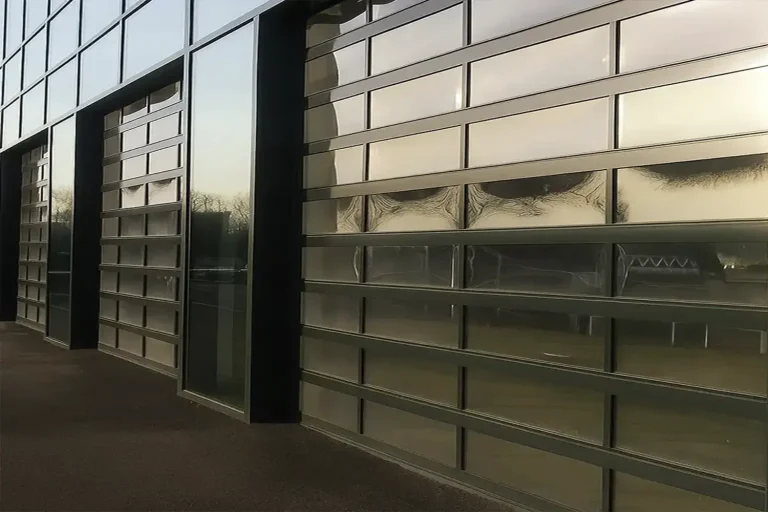
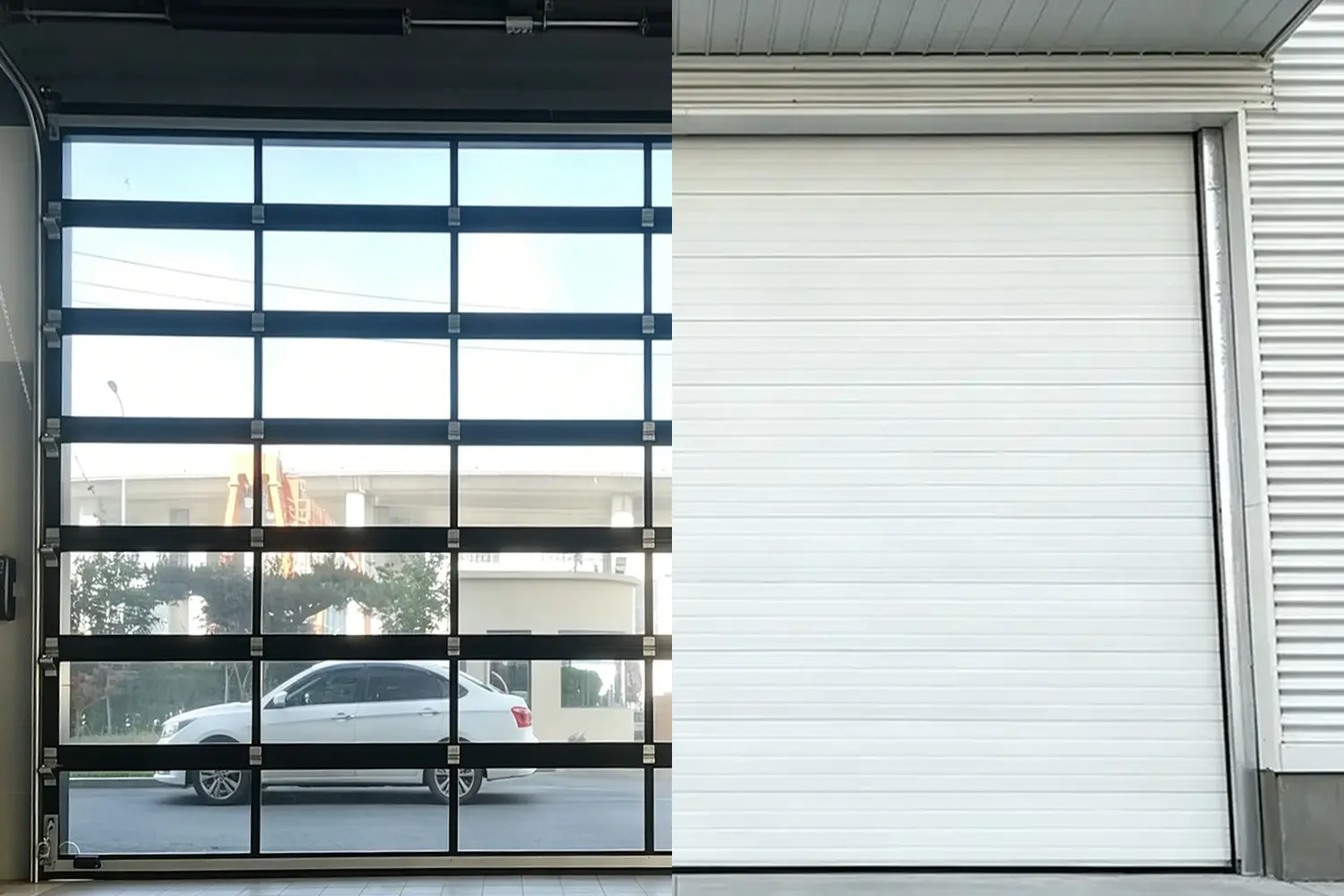
The most common application for aluminum in the commercial door industry is the ‘Full-View’ sectional door. Heavy-duty extruded aluminum alloy frames are used to house large panels of tempered glass or shatter-resistant polycarbonate. This design maximizes natural light penetration and transforms the building’s facade into a transparent display, which is critical for retail environments. However, buyers must note that even with insulated glass, full-view aluminum doors generally offer lower overall R-values compared to solid PU-injected steel doors.
3. Cost of Ownership and Maintenance Comparison
When evaluating the Total Cost of Ownership (TCO), facility managers must consider both the initial procurement cost and long-term maintenance.
- Initial Cost: Standard steel sectional doors are generally more cost-effective to manufacture and procure than heavy-duty extruded aluminum doors, especially when outfitting a massive logistics park with dozens of loading bays.
- Maintenance: Steel doors require periodic inspection of their painted or galvanized finish to prevent rust if the surface is deeply scratched by machinery. Aluminum doors are virtually maintenance-free regarding corrosion but may require more frequent glass cleaning and inspection of the glazing seals.
4. Making the Right Specification Choice
The decision between steel and aluminum ultimately comes down to the specific operational environment of your facility. If your primary concerns are maximum thermal efficiency (R-value), high-security logistics, and extreme wind load resistance, PU-insulated steel sectional doors are the superior choice. If your project requires maximum visual transparency, architectural elegance, or operation in a highly corrosive, wet environment, aluminum full-view doors are the necessary investment. By partnering with a comprehensive OEM manufacturer that excels in both metallurgical disciplines, facility developers can ensure every opening in their building is optimized for performance and longevity.
CONTACT ABX
Your Direct Source for Industrial Access Solutions
We offer 24/7 support. Feel free to leave us a message — we'll reply within 24 hours.