What is the OSHA 6-Foot Rule for Loading Docks? Fall Protection Standards
Understanding exactly what the OSHA 6-foot rule is remains a frequent compliance hurdle for facility engineers and safety directors managing industrial shipping bays. In the context of dock safety regulations, this specific mandate addresses the critical need for fall protection when employees are exposed to unprotected sides or edges. For architectural firms and general contractors, integrating appropriate safeguards around the loading dock system during the design phase is non-negotiable.
OSHA standard 1910.28 outlines the duty to have fall protection and falling object protection. Generally, OSHA requires fall protection for general industry workplaces at elevations of four feet. However, the “6-foot rule” is often referenced regarding specific construction activities or specialized edge work. Regardless of the specific height threshold applied to your facility’s daily operations, an open loading dock bay presents a severe hazard that must be mitigated through engineered controls and physical barriers.
This article clarifies how fall protection standards apply to modern loading docks. We will explore the differences between visual warning lines and physical guardrails, and how equipment design can inherently reduce fall risks. By selecting dock levelers with advanced safety features and integrating proper door systems, facilities can maintain high throughput without compromising worker safety or risking OSHA citations. Procurement teams must prioritize these safety integrations when evaluating overall project costs.
Defining Fall Protection at the Loading Dock
An open loading dock door without a truck present creates an immediate fall hazard. OSHA requires that employers provide protection from these unprotected edges. The standard methods of compliance include guardrail systems, safety net systems, or personal fall protection systems.
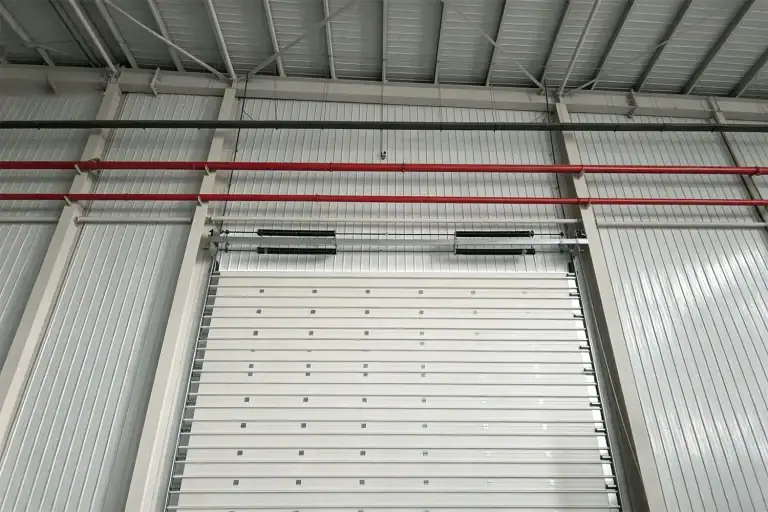
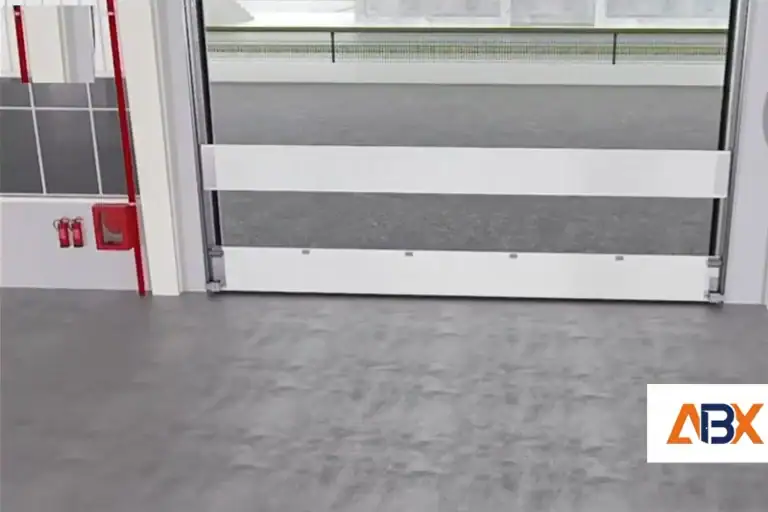
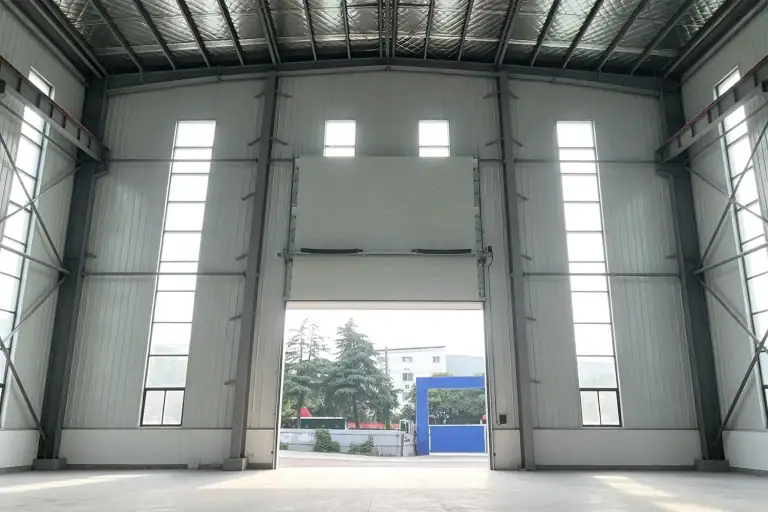
In a busy logistics center, personal fall protection is rarely practical for dock workers. Therefore, facilities rely heavily on physical barriers. When the dock is not in use, the industrial sectional door should remain closed, acting as the primary barrier against the edge.
Visual Warnings vs. Physical Barriers
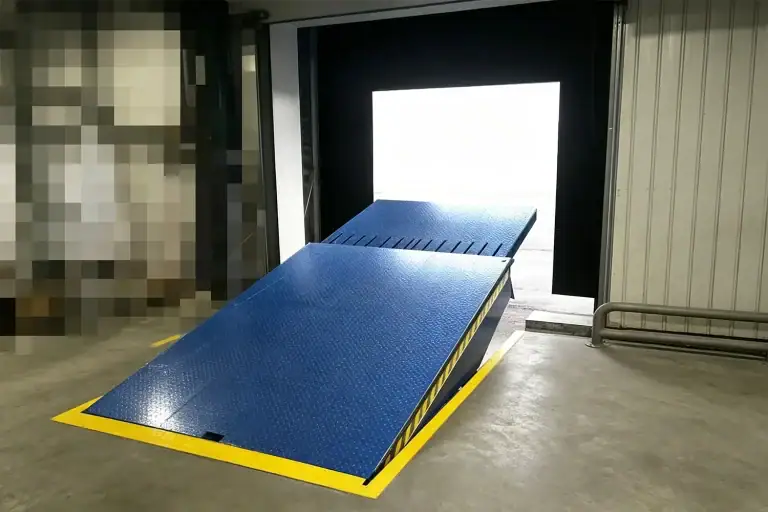
While yellow safety lines painted on the floor provide a visual warning, they do not physically prevent a forklift from rolling off the edge. OSHA often requires more robust solutions for high-traffic areas. Retractable safety barriers or heavy-duty guardrails that span the width of the dock door are highly recommended.
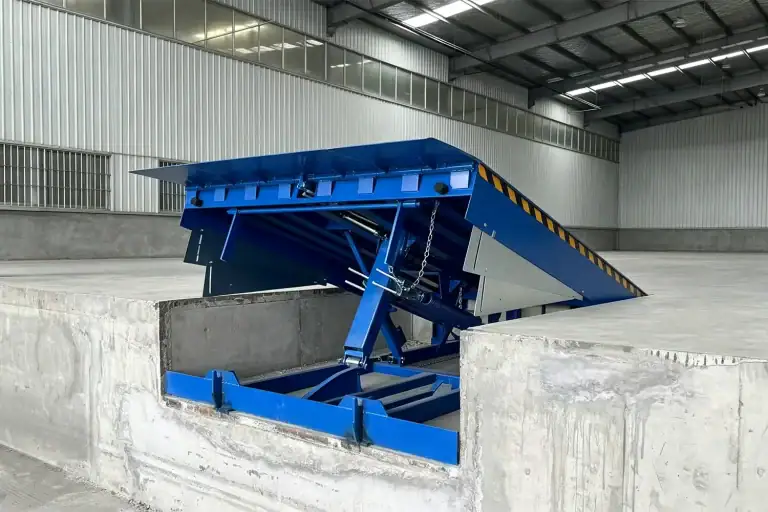
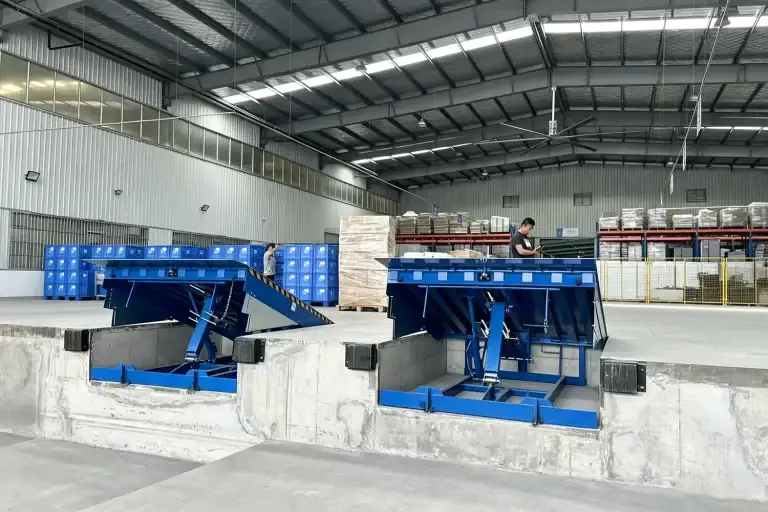
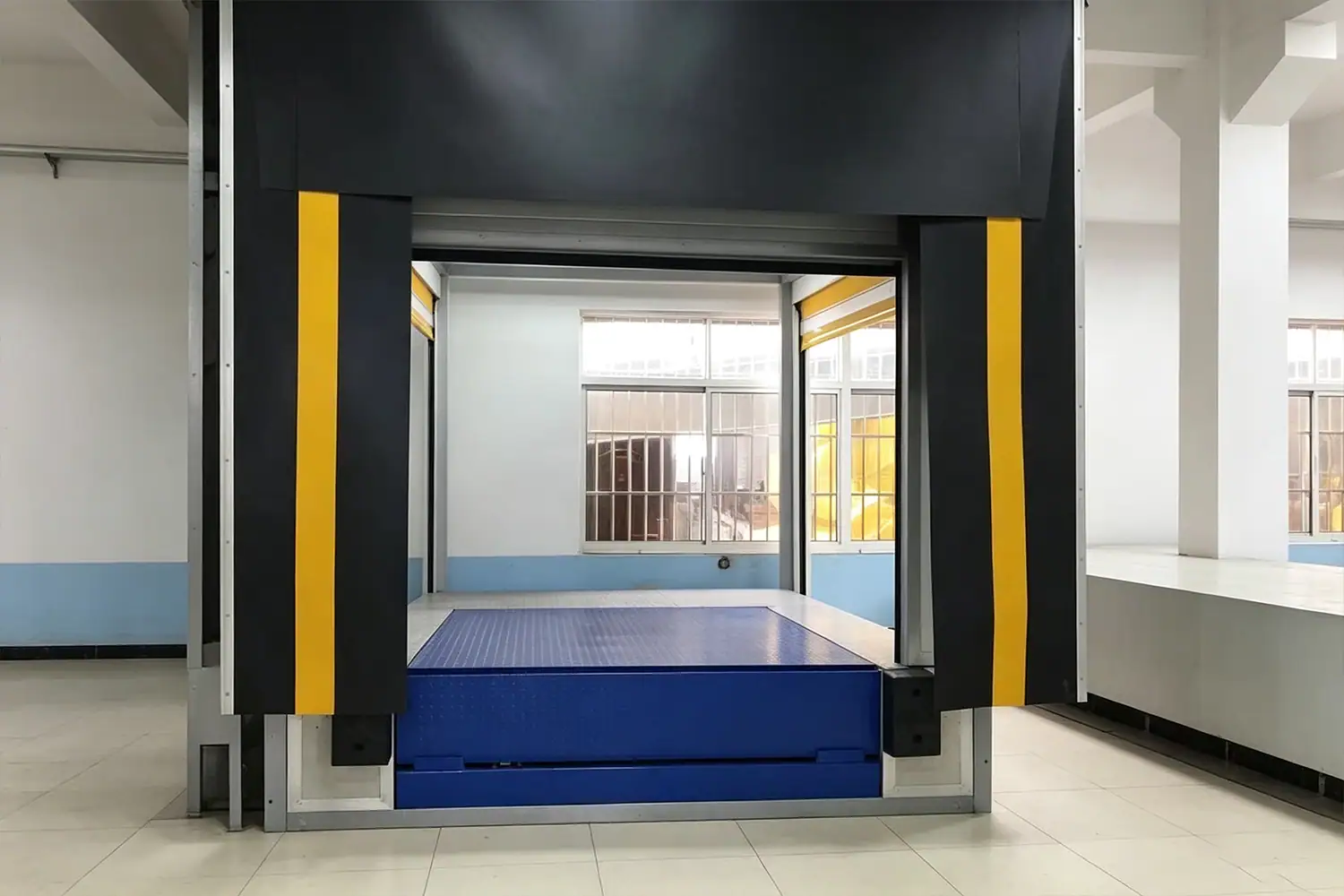
Additionally, the design of the dock leveler itself can contribute to edge safety. Some advanced hydraulic dock levelers feature a “run-off guard” or a lip that remains in a vertical position when the dock is parked, providing a physical stop for material handling equipment. [Internal Link Placeholder: Safety Features of the H-1000 Dock Leveler].
Integrating Safe Dock Equipment
Total dock safety requires a holistic approach to equipment integration. The dock leveler, the industrial door, and the vehicle restraint system must work in unison. For example, a control system can be programmed so that the dock door cannot open until the vehicle restraint has securely locked the trailer in place.
Sourcing these components from a single, experienced OEM manufacturer ensures seamless integration and compliance with international safety standards like CE and EAC. This unified approach eliminates compatibility issues and strengthens the facility’s overall safety profile.
CONTACT ABX
Your Direct Source for Industrial Access Solutions
We offer 24/7 support. Feel free to leave us a message — we'll reply within 24 hours.