Do Loading Docks Require Covers and Guardrails? Compliance & Design
A frequent question during the architectural planning of industrial facilities is: do loading docks require covers and guardrails? For general contractors and logistics developers, integrating proper physical barriers and weather protection around the loading dock system is essential for both OSHA compliance and operational efficiency. Leaving a loading bay exposed to the elements or lacking proper edge protection invites significant safety liabilities and energy loss.
While OSHA regulations strictly mandate fall protection (such as guardrails) for unprotected edges, the requirement for “covers”—specifically dock seals and shelters—is driven by a combination of worker safety, energy conservation, and product integrity. In regions with extreme climates or facilities handling temperature-sensitive goods, dock covers transition from an optional accessory to a mandatory design requirement. They prevent rain, snow, and condensation from creating severe slip hazards on the dock leveler platform.
This article examines the compliance requirements and operational benefits of installing guardrails and dock shelters. We will differentiate between mechanical shelters, sponge seals, and rapid-inflation dock covers, helping procurement teams select the appropriate solution for their specific environment. By viewing the loading dock as an integrated system—combining the leveler, the sectional door, and the exterior shelter—facilities can achieve maximum safety, reduce HVAC energy consumption, and maintain a seamless flow of goods.
OSHA Guardrail Requirements at the Dock
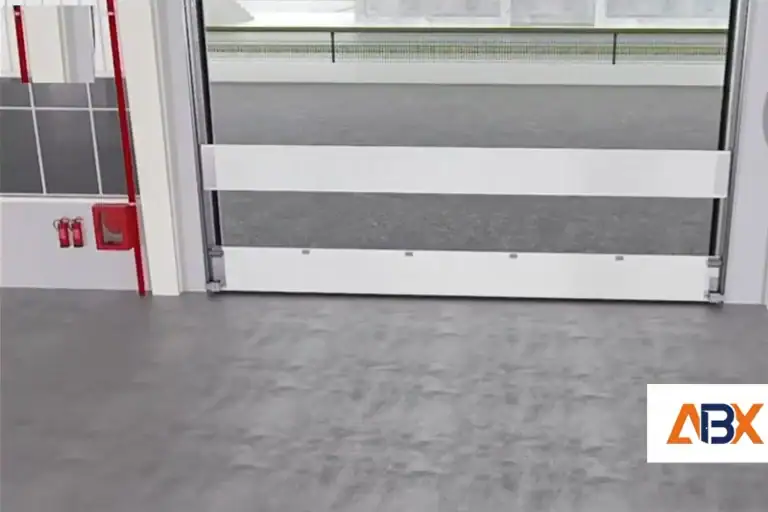
As previously established, OSHA requires fall protection for open dock doors. When a truck is not present, the drop from the dock to the pavement is a significant hazard. Guardrails are a standard and highly effective method of compliance.
Facilities often utilize removable guardrails, folding safety gates, or heavy-duty retractable barriers that can withstand forklift impacts. These barriers must meet specific OSHA height and strength requirements to ensure they provide adequate protection rather than a false sense of security.
The Role of Dock Seals and Shelters
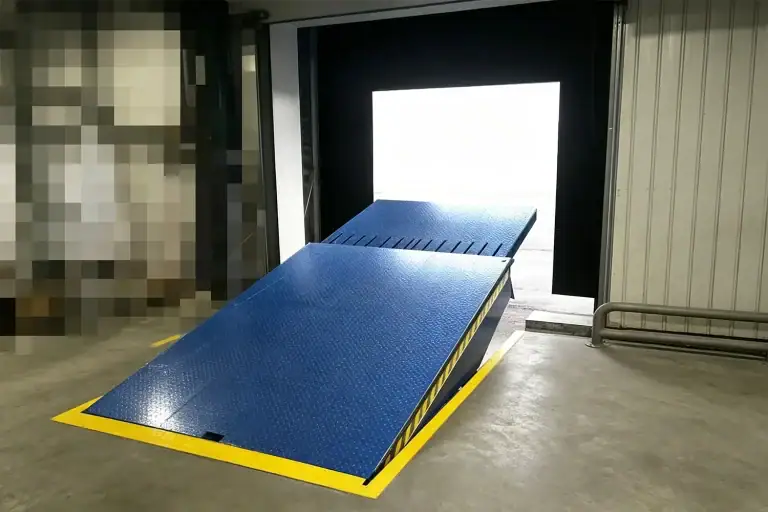
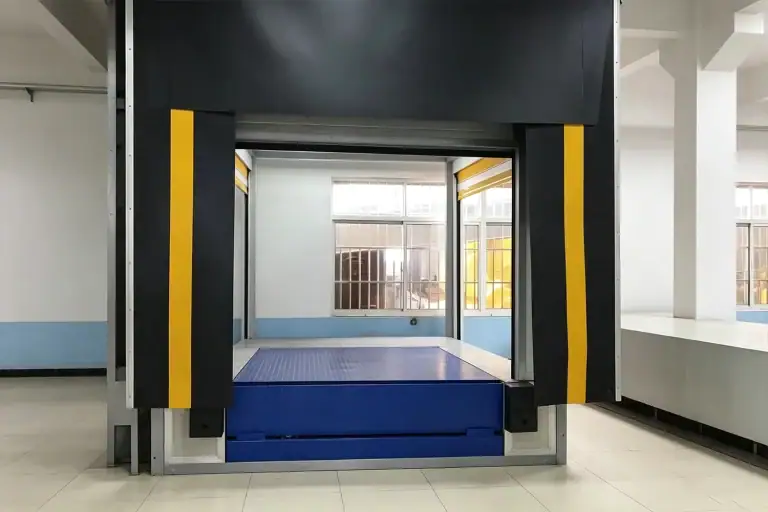
Dock covers, including seals and shelters, enclose the gap between the truck trailer and the building exterior. While not explicitly mandated by OSHA for fall protection, they are critical for mitigating environmental hazards. Rain or snow on a steel dock leveler creates a dangerous slip hazard for both pedestrians and forklifts.
Beyond safety, dock shelters are vital for energy efficiency. They prevent the loss of conditioned air, significantly lowering facility heating and cooling costs. For cold storage applications, specialized inflatable dock shelters that deploy in under 20 seconds offer the highest level of thermal protection. [Internal Link Placeholder: Choosing Between Dock Seals and Inflatable Shelters].
Integrating the Complete Dock Ecosystem
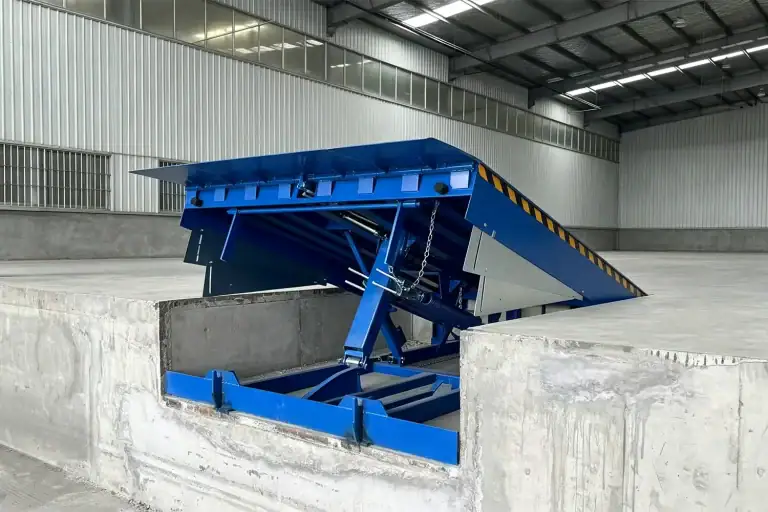
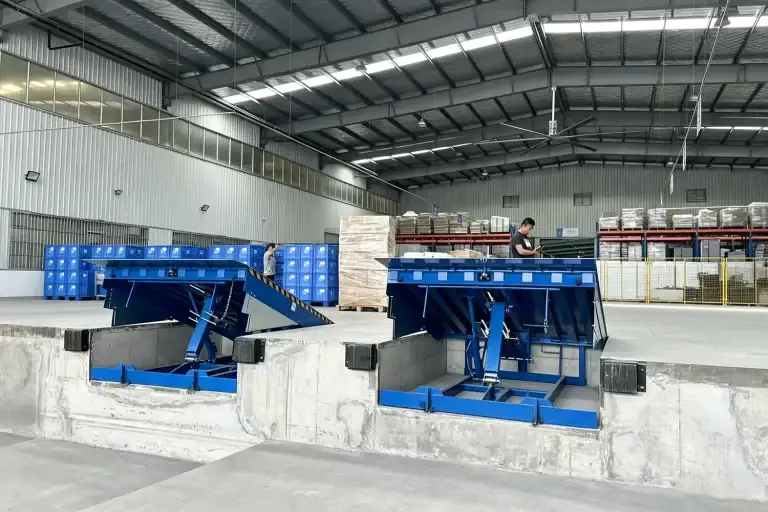
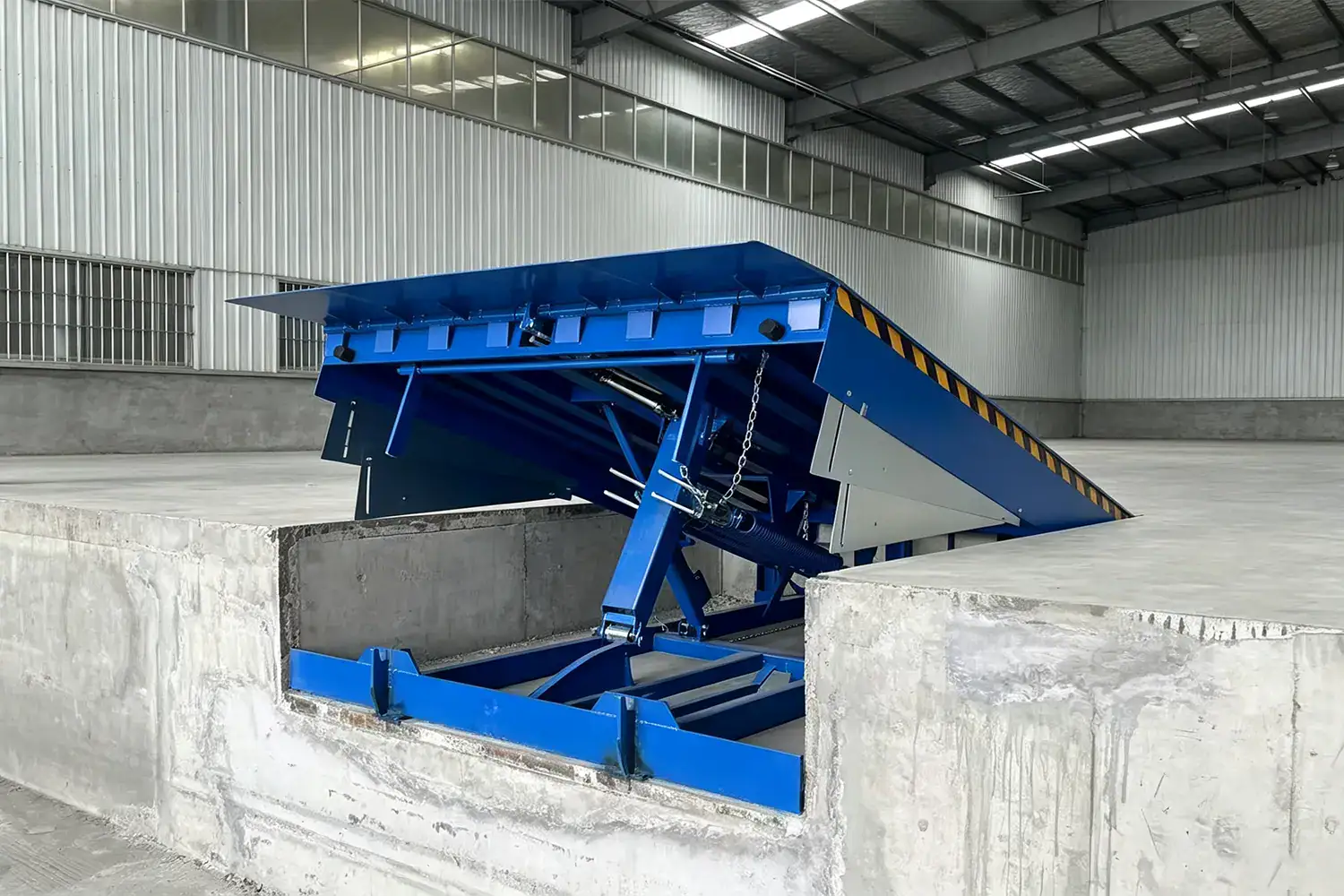
To maximize safety and efficiency, the dock leveler, guardrails, and dock shelters should be specified as a cohesive system. Sourcing these components from a single, experienced manufacturer ensures that the equipment works together seamlessly without architectural conflicts.
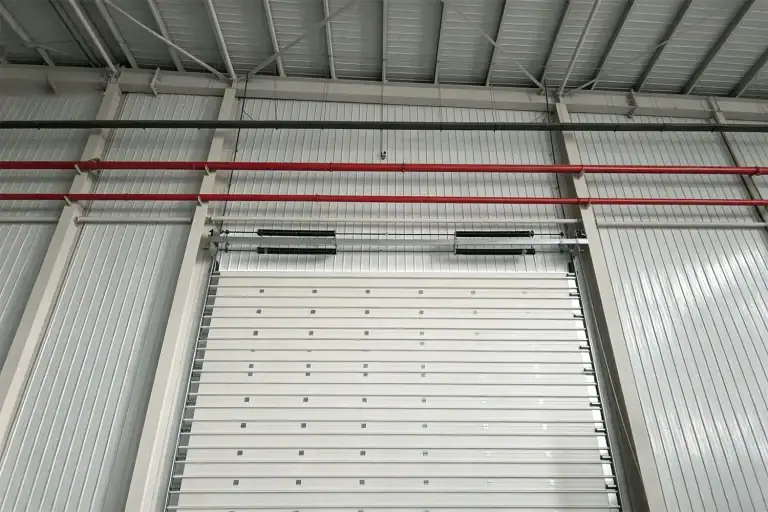
For example, the projection of the dock shelter must align perfectly with the reach of the dock leveler lip and the dimensions of the industrial sectional door. Proper integration guarantees that the facility remains compliant, energy-efficient, and safe for all personnel.
CONTACT ABX
Your Direct Source for Industrial Access Solutions
We offer 24/7 support. Feel free to leave us a message — we'll reply within 24 hours.