Commercial Sectional Doors vs. Roll-Up Doors: ROI & Performance for Logistics Projects
When specifying access solutions for large-scale logistics parks or manufacturing facilities, builders and procurement managers often weigh commercial sectional doors against traditional roll-up doors. While roll-up doors may present a lower initial capital expenditure, their long-term Total Cost of Ownership (TCO) in high-demand environments is frequently overlooked. This technical analysis compares the two systems across critical engineering metrics: wind load resistance, thermal insulation (K-value), and sealing integrity. By examining these data points, wholesale buyers can make informed decisions that minimize downtime and maximize ROI.

Structural Engineering: Panel Rigidity vs. Slat Flexibility
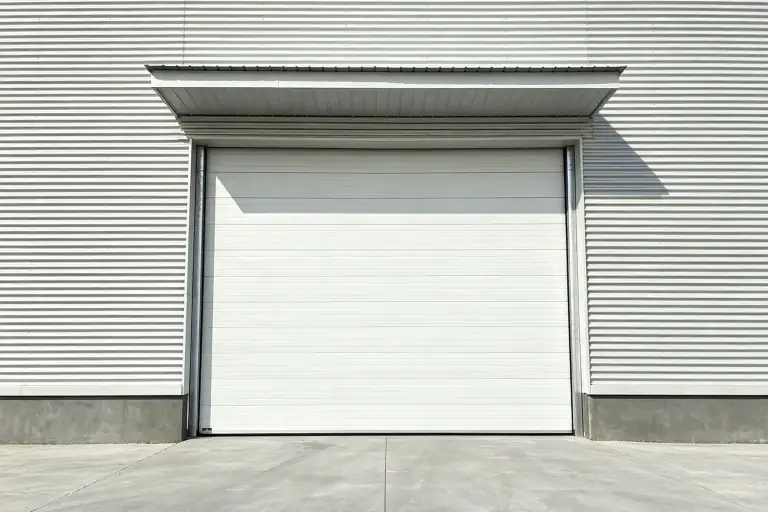
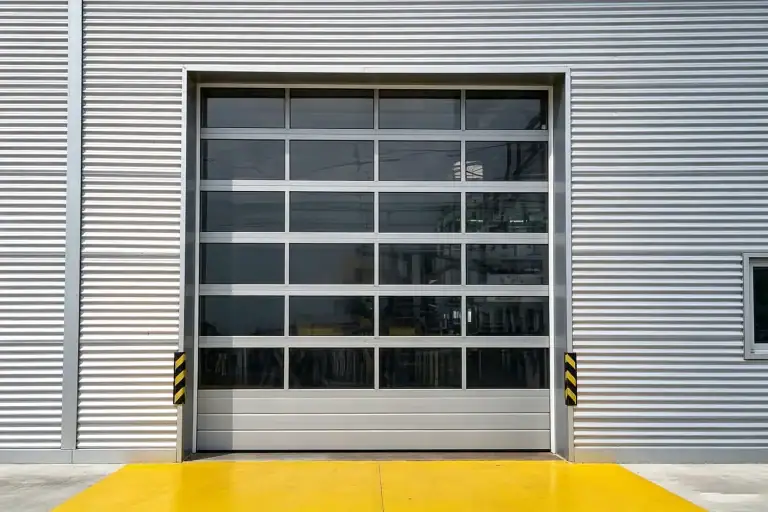
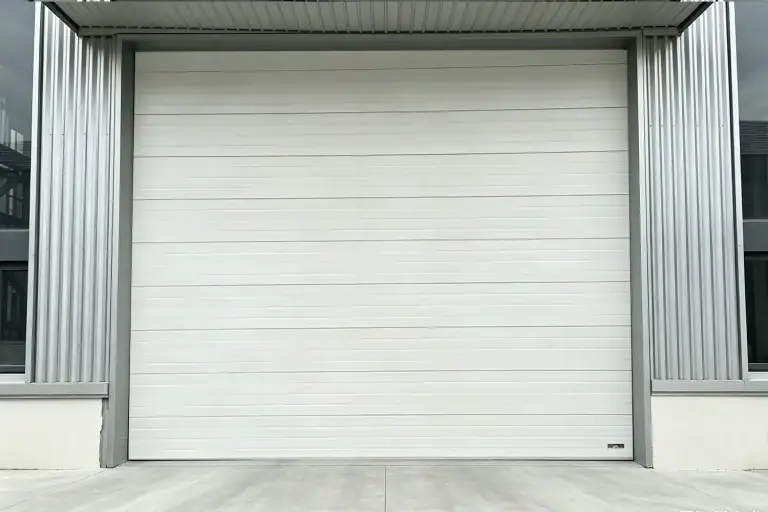
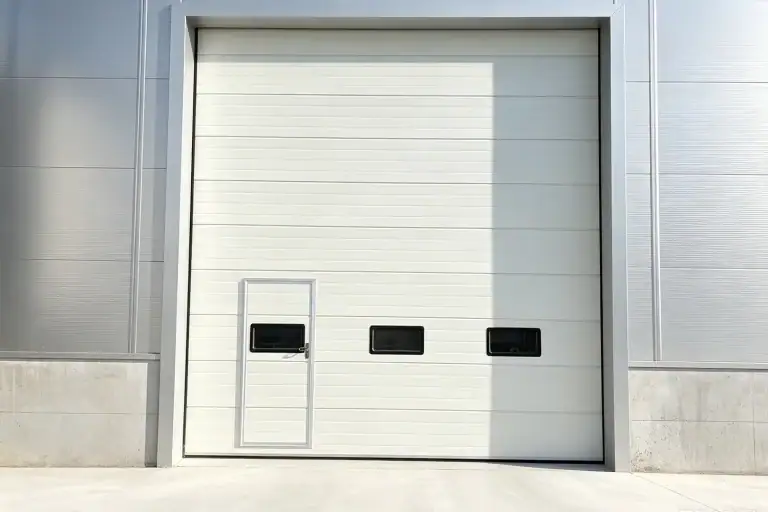
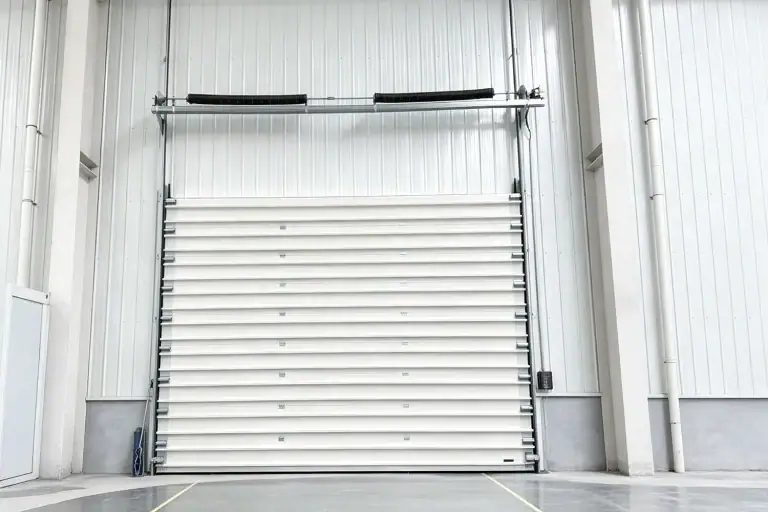
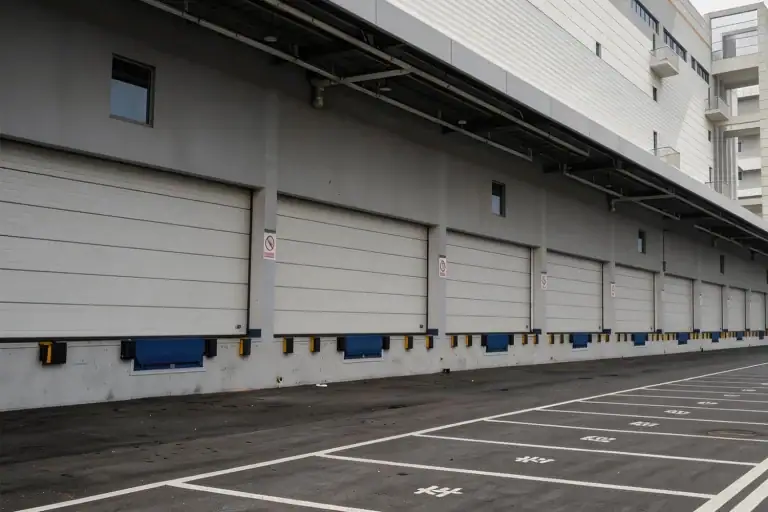
The fundamental difference lies in their construction. Roll-up doors consist of interlocking thin metal slats that coil into a barrel. This design inherently lacks structural rigidity. In contrast, ABX commercial sectional doors utilize rigid PU sandwich panels (40mm to 80mm thick) that travel along heavy-duty galvanized steel tracks. For door openings exceeding 30 square meters, sectional doors can be reinforced with integrated wind-resistant ribs (6cm to 12cm), ensuring the door remains operational even under extreme environmental stress.
Performance Comparison: Sectional vs. Roll-Up
To accurately assess ROI, we must evaluate how each door performs against the daily rigors of an industrial environment.
| Performance Metric | ABX Commercial Sectional Door | Standard Roll-Up Door |
|---|---|---|
| Wind Resistance | Up to 450N/m² (Reinforced ribs available) | Prone to rattling and blow-outs in high winds. |
| Thermal Insulation | K≤0.8W/m³.K (48kg/m³ PU Foam) | Poor. High thermal bridging through interlocking slats. |
| Sealing (Air/Dust) | 4-Sided EPDM weatherstripping | Significant gaps at side guides and lintel. |
| Maintenance Cycle | High-cycle torsion springs (25k-30k cycles) | Frequent wear on slats and coiling mechanism. |
Energy Efficiency and HVAC Savings
For temperature-controlled warehouses, insulation is paramount. Roll-up doors offer virtually no thermal resistance. ABX sectional doors, filled with 48kg/m³ high-density polyurethane foam, act as a robust thermal barrier. When combined with our comprehensive EPDM sealing system on the bottom, sides, and top, these doors drastically reduce air infiltration. This translates directly to lower HVAC energy consumption, allowing the door to pay for itself over its lifecycle.
Downtime and Maintenance Costs
Factory owners know that operational downtime is more expensive than the door itself. Roll-up doors are susceptible to jamming and slat damage from forklift impacts. ABX sectional doors are driven by reliable 380V/50Hz servo motors and feature modular panels. If a panel is damaged, it can be replaced individually without replacing the entire door. Furthermore, our “One Door, One Code” QR system ensures that maintenance teams can instantly identify parts and request service, keeping your logistics flow uninterrupted.
The Verdict for B2B Project Suppliers
While roll-up doors have their place in low-demand, unconditioned spaces, commercial sectional doors are the definitive choice for modern, high-efficiency logistics and manufacturing projects. As a leading manufacturer with CE and ISO certifications, ABX provides automated, heavy-duty solutions tailored for builders and wholesale distributors.
Optimize Your Facility Today
Don’t let inferior doors inflate your operational costs. Contact ABX today to receive a customized ROI analysis comparing sectional vs. roll-up doors for your specific project, along with competitive wholesale pricing.
CONTACT ABX
Your Direct Source for Industrial Access Solutions
We offer 24/7 support. Feel free to leave us a message — we'll reply within 24 hours.