How to Prevent Condensation on Cold Storage Sectional Doors
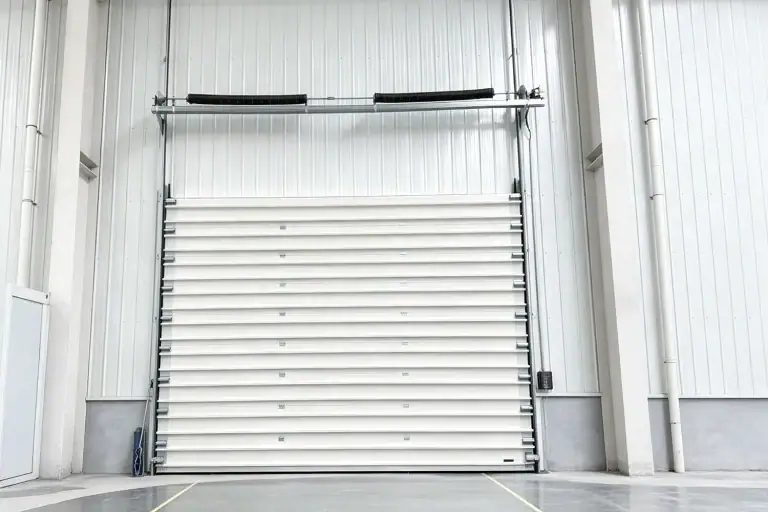
For cold storage operators, condensation is more than just a nuisance—it is a critical safety hazard and a massive financial drain. When condensation forms on sectional doors, it quickly turns into ice, freezing the door to the floor, damaging the bottom seals, and creating slip hazards for forklift drivers. Furthermore, it signals that your HVAC system is bleeding energy. Understanding the root causes and implementing engineered solutions is essential for maintaining a profitable cold chain.
1. The Root Cause: Dew Points and Thermal Bridging
Condensation occurs when warm, moisture-laden air hits a cold surface that is below the dew point. In a cold storage facility, the sectional door is the primary battleground. If the door uses continuous metal panels (where the outside steel touches the inside steel), heat transfers directly through the metal. This ‘thermal bridging’ turns the interior side of the door into a freezing surface, instantly pulling moisture out of the air and forming ice.
2. Eliminate Thermal Bridging with Broken-Bridge Engineering
The most effective way to prevent condensation is to physically cut off the conductive path. ABX Doors utilizes a patented broken-bridge anti-pinch design (Patent: ZL201220623912.0). By inserting a thermal break between the interior and exterior metal skins, the interior panel remains close to the ambient room temperature, keeping it above the dew point and completely eliminating surface condensation.
3. Upgrade to High-Density PU Insulation
If your door’s insulation has degraded, cold air will seep through the panel itself. Standard EPS foam often leaves microscopic air gaps. To prevent this, facility managers should upgrade to doors injected with high-density Polyurethane (PU) foam.
| Insulation Metric | The ABX Anti-Condensation Standard |
|---|---|
| Foam Density | 45-48 kg/m³ CFC-free cyclopentane PU foam ensures zero air gaps and maximum structural rigidity. |
| Closed-Cell Rate | >95% closed-cell structure prevents moisture absorption inside the panel itself. |
| Thermal Transmittance | K≤0.8W/m³.K (R-value up to 17 for 80mm panels), locking the cold air inside the freezer. |
4. Seal the Perimeter and Loading Dock
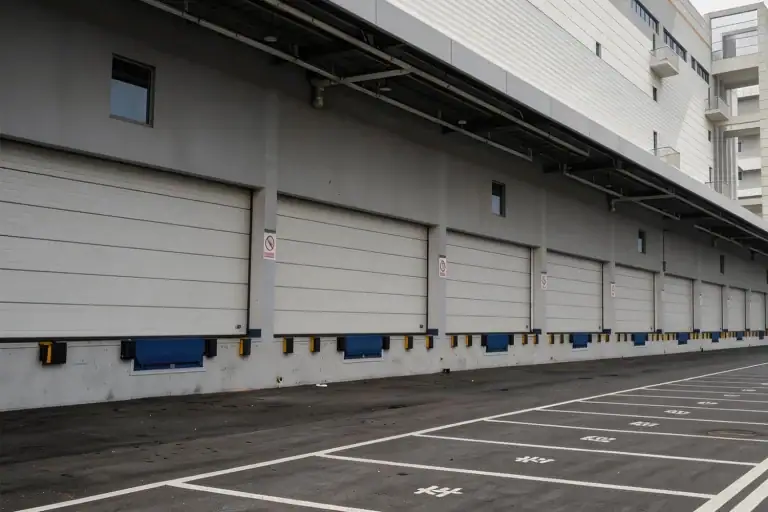
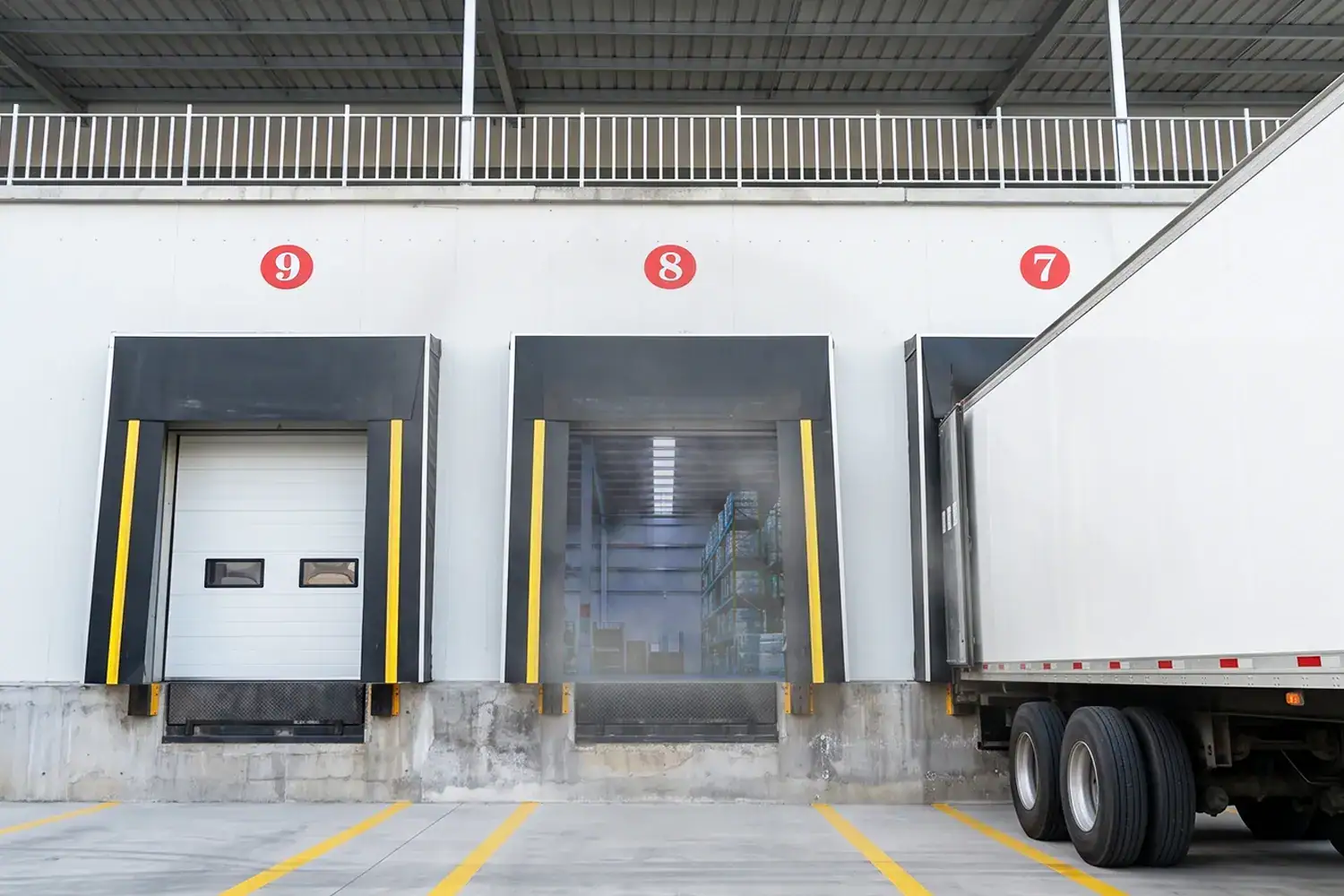
Condensation also forms when warm air leaks through the gaps around the door. Ensure your sectional doors are equipped with industrial-grade EPDM rubber seals at the top, bottom, and sides. Additionally, when the door is open for loading, pair it with an ABX inflatable dock shelter. Inflating in just 20 seconds, it creates an airtight seal around the truck, preventing humid outside air from entering the cold room.
Solve Your Condensation Issues Permanently
Stop chipping ice off your loading dock doors. Contact the ABX engineering team to upgrade your facility with true anti-condensation technology.
CONTACT ABX
Your Direct Source for Industrial Access Solutions
We offer 24/7 support. Feel free to leave us a message — we'll reply within 24 hours.