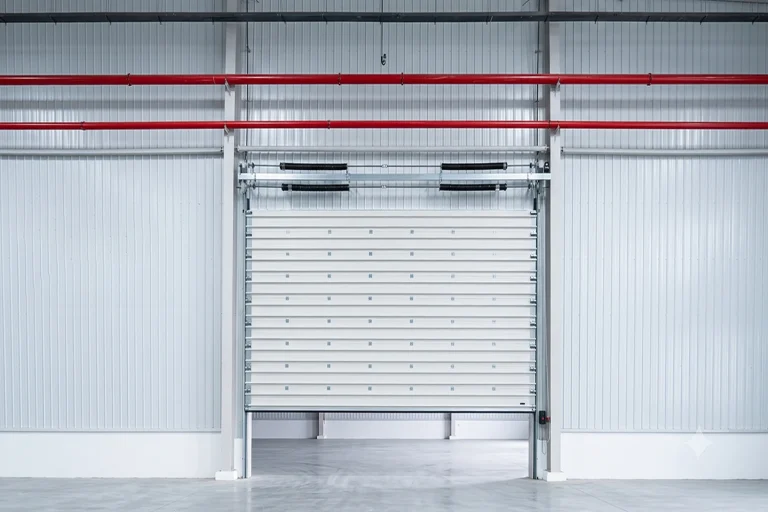
Integrating Sectional Doors with Hydraulic Dock Levelers for Seamless Logistics
In the high-stakes environment of modern logistics hubs and distribution centers, efficiency is measured in seconds, and safety is measured in zero-incident days. Historically, facility managers treated loading dock equipment as isolated components: an overhead door to secure the building, a dock leveler to bridge the trailer gap, and a vehicle restraint to lock the truck. However, operating these systems independently creates severe operational bottlenecks, massive HVAC energy loss, and critical safety hazards. In 2026, the industry standard for high-throughput facilities is the holistic integration of sectional doors with hydraulic dock levelers. This engineering guide explores the mechanics of dock interlocking, the role of Smart IoT controllers, and the ROI of a unified logistics passage system.
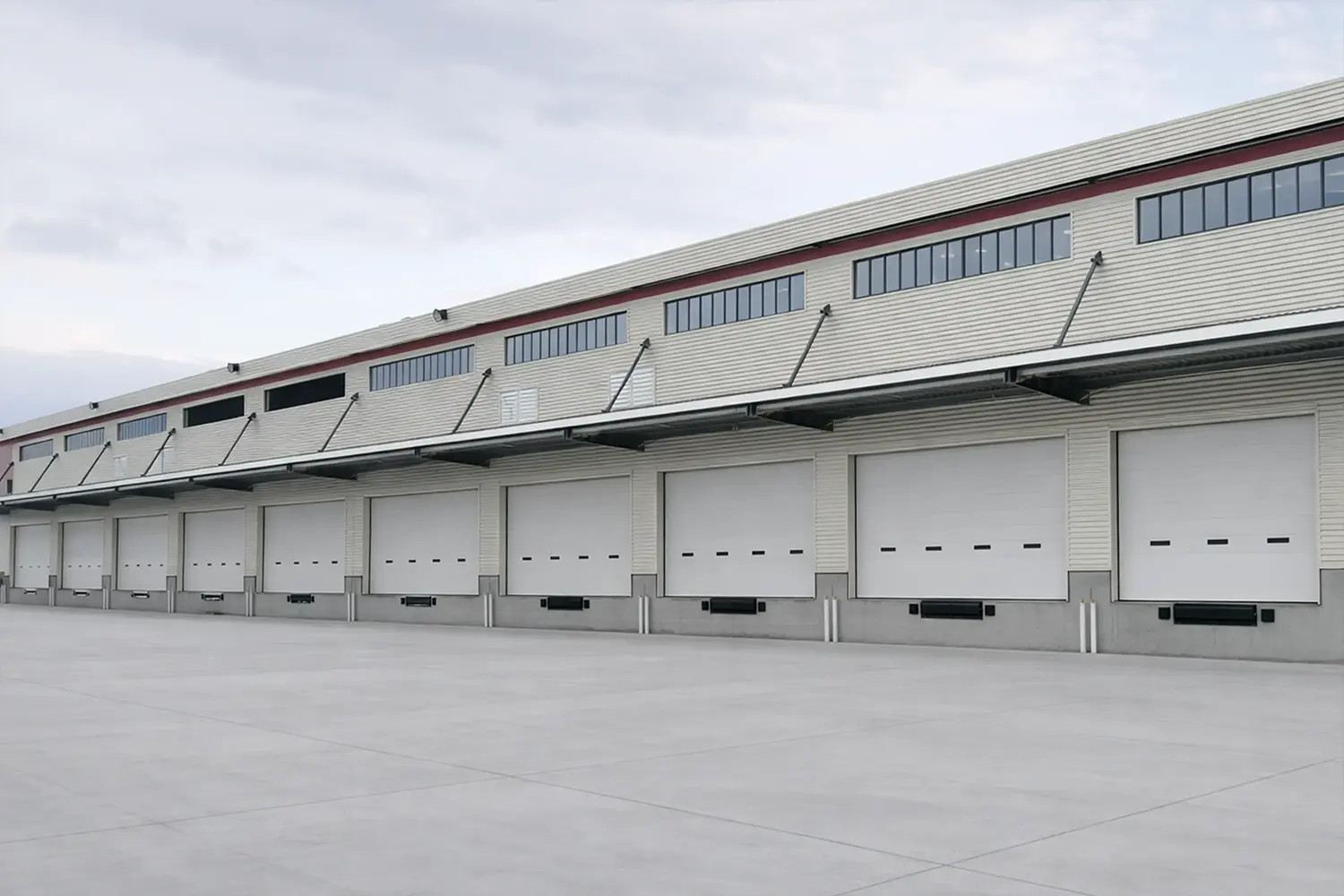
The Danger of Disjointed Dock Operations
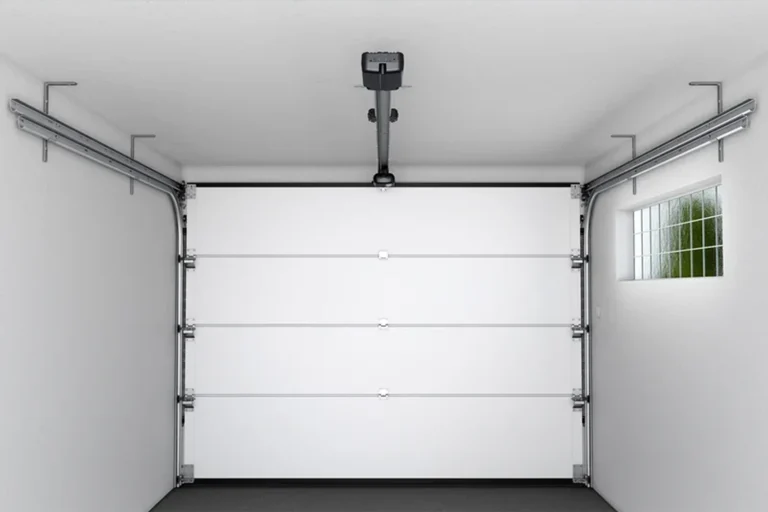
When a sectional door and a dock leveler operate independently, the loading bay relies entirely on the dock attendant’s manual sequencing. This human element introduces significant risk. If an operator deploys the dock leveler before the sectional door is fully open, the heavy steel lip of the leveler will crash into the bottom panel of the door, causing thousands of dollars in structural damage. Conversely, if the door is closed before the leveler is properly parked, the door will crush itself against the raised deck.
Furthermore, independent operation destroys energy efficiency. In climate-controlled and cold storage warehouses, dock attendants often leave the sectional door open while waiting for a truck to back in, or leave it open after the truck departs while they manually reset the leveler. This unnecessary ‘open time’ allows expensive conditioned air to hemorrhage from the facility, driving up HVAC costs and risking inventory spoilage.
Electrical Interlocking: The Foundation of Integration
The solution to these mechanical and thermal risks is electrical interlocking. By integrating the control systems of the sectional door and the hydraulic dock leveler, facility engineers can enforce a strict, automated sequence of operations that physically prevents operator error.
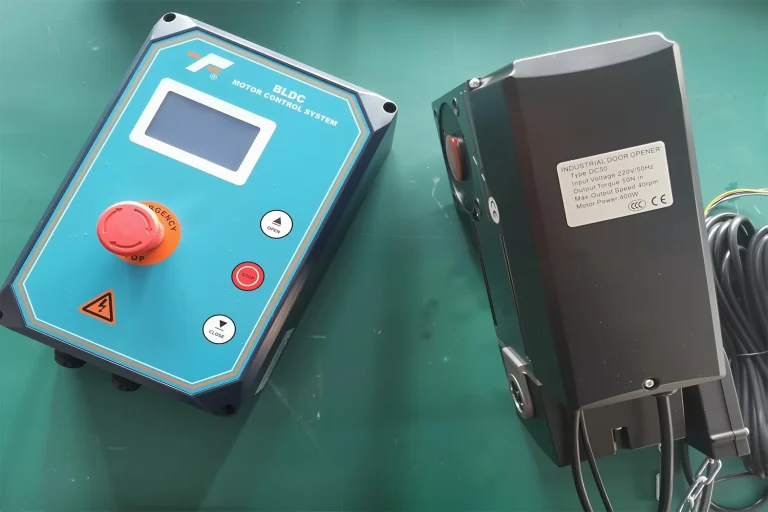
In an interlocked system, the equipment communicates via a centralized master control panel. The logic is hardwired: the hydraulic dock leveler is electronically locked and cannot be deployed until the limit switches on the sectional door confirm that the door is 100% in the open position. Similarly, the sectional door’s motor is disabled and cannot close until the dock leveler’s sensors confirm that the deck and lip have safely returned to their stored, cross-traffic position. This automated sequencing completely eliminates the risk of equipment collisions and ensures the building envelope is secured as rapidly as possible.
Smart IoT Centralized Control Systems
Modern integration goes beyond simple relay logic. Today’s premium loading dock systems utilize Smart IoT (Internet of Things) control boxes. A single, centralized HMI (Human-Machine Interface) panel manages the sectional door, the hydraulic leveler, the inflatable dock shelter, and the exterior vehicle restraint.
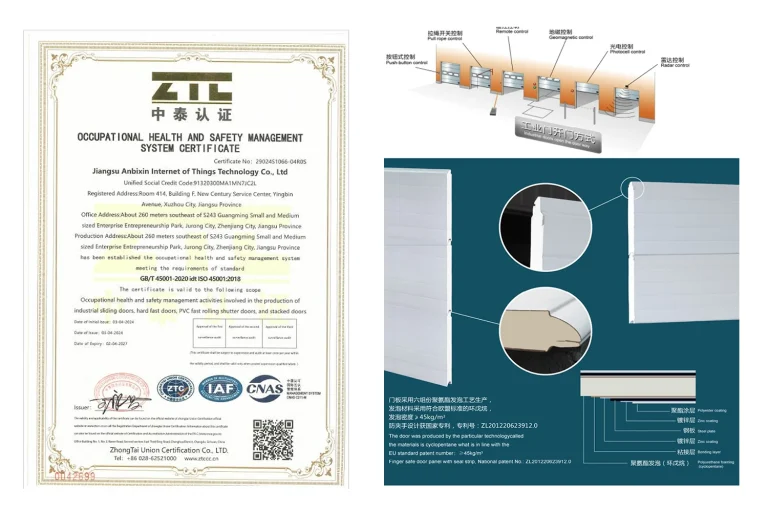
This centralized intelligence enables advanced automated workflows. For example, when a truck is securely locked by the vehicle restraint, the exterior traffic light turns red, and the interior light turns green. The Smart IoT controller then automatically triggers the inflatable dock shelter to seal the trailer. Only after the seal is confirmed does the controller automatically open the high-density PU insulated sectional door and deploy the hydraulic leveler. This seamless, one-touch operation shaves minutes off every loading cycle, exponentially increasing the daily throughput of the distribution center.
Upgrading the Hardware: The ABX H-1000 Advantage
Integrating systems is only effective if the underlying hardware is exceptionally reliable. A highly integrated dock is paralyzed if the hydraulic leveler fails. Traditional hydraulic levelers are notorious for cylinder seal blowouts and oil leaks caused by debris falling into the dock pit.
To maximize the ROI of an integrated system, facilities must specify advanced hardware like the ABX H-1000 Series Hydraulic Dock Leveler. The H-1000 utilizes a revolutionary single inverted hydraulic cylinder design. By mounting the cylinder upside down, gravity prevents dust and abrasive debris from accumulating on the rod and seals. This structurally eliminates the root cause of hydraulic oil leaks, ensuring the leveler matches the 30,000+ cycle lifespan of the heavy-duty sectional door it is paired with. Additionally, the H-1000 features a double 5-degree arch lip, which provides a perfectly smooth transition for forklifts, preventing the violent jolts that cause spinal injuries to operators and damage to sensitive cargo.
The ROI of a Unified Logistics Solution
Procuring sectional doors and dock levelers from different manufacturers often leads to compatibility issues, finger-pointing during warranty claims, and complex integration programming. By sourcing a complete, pre-integrated loading dock system from a single OEM manufacturer, facility developers ensure flawless electrical compatibility and streamlined installation. The integration of high-cycle sectional doors with inverted-cylinder hydraulic levelers and Smart IoT controllers transforms the loading dock from a vulnerable bottleneck into a highly automated, energy-efficient, and zero-incident logistics engine.
CONTACT ABX
Your Direct Source for Industrial Access Solutions
We offer 24/7 support. Feel free to leave us a message — we'll reply within 24 hours.