Smart Upkeep: Leveraging IoT for Predictive Loading Dock Maintenance
The integration of smart technology into loading dock maintenance is transforming how facility managers handle equipment upkeep in highly automated logistics parks. As modern warehouses increasingly rely on Automated Guided Vehicles (AGVs) and continuous material flow, the traditional reactive approach to dock leveler service is no longer sufficient. For upstream buyers and industrial architects, specifying IoT-enabled dock levelers is a strategic move to ensure seamless facility operations and reduce the total cost of ownership.
Predictive maintenance, powered by centralized IoT control boxes, allows maintenance teams to monitor equipment health in real-time. This technology identifies potential mechanical issues, such as hydraulic pressure drops or motor fatigue, long before they cause a critical failure. This data-driven approach minimizes unexpected downtime, which is vital for facilities operating under tight supply chain schedules.
Advanced dock systems now feature industrial-grade serial port connections, enabling seamless integration with Distributed Control Systems (DCS) and Programmable Logic Controllers (PLC). This connectivity ensures that the loading dock operates in perfect synchronization with the rest of the automated factory ecosystem. Furthermore, innovative service frameworks, such as the one-door-one-code QR reporting system, streamline the repair process. When a fault occurs, operators can instantly access maintenance records and dispatch repair teams with precise diagnostic codes. This article explores how adopting IoT technology and smart maintenance protocols can optimize your loading dock operations.
The Shift from Reactive to Predictive Maintenance
Historically, facility managers relied on scheduled calendar maintenance or waited for equipment to break down before taking action. This reactive model often leads to extended downtime while waiting for parts and diagnostic assessments. Predictive maintenance changes this dynamic by utilizing real-time data to forecast equipment failures.
By continuously monitoring usage cycles, motor temperatures, and hydraulic performance, IoT systems can alert managers when a component is nearing the end of its functional life. This allows procurement teams to order replacement parts in advance and schedule maintenance during off-peak hours. The result is a drastic reduction in operational disruptions and emergency repair costs.
Key Components of an IoT-Enabled Dock System
Centralized IoT Control Boxes
The core of a smart loading dock is the centralized IoT control box. This intelligent hub collects operational data from the dock leveler, high-speed doors, and vehicle restraints. It provides facility managers with a comprehensive dashboard displaying real-time fault codes and operational metrics.
These control boxes facilitate remote diagnostics, allowing technicians to identify the root cause of a problem before arriving on-site. This capability significantly reduces the mean time to repair (MTTR) and ensures that technicians arrive with the correct tools and components.
Seamless DCS and PLC Integration
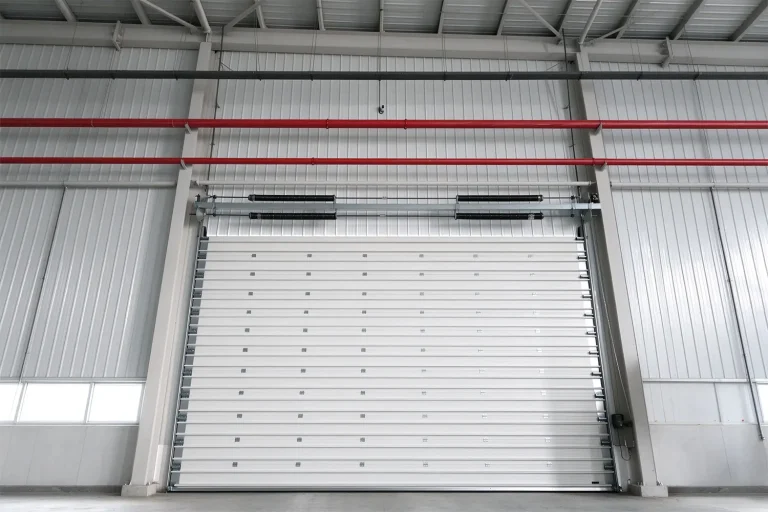
For highly automated factories, isolated equipment is a liability. Modern smart dock systems offer multiple industrial serial connection methods, allowing them to integrate directly into the facility’s DCS or PLC networks. This integration enables automated workflows, such as opening doors and deploying levelers automatically when an AGV approaches.
This level of connectivity ensures that the loading dock functions as an active node within the factory’s automated ecosystem. It eliminates human error in dock operation and maximizes the efficiency of automated material handling equipment. [Internal Link Placeholder: Integrating High-Speed Doors with AGV Systems].
Streamlining Repairs with “One-Door-One-Code” Systems
Advanced manufacturers are implementing “one-door-one-code” QR systems to further simplify the maintenance process. Each piece of dock equipment is affixed with a unique QR code linked to its specific manufacturing data and service history. When an issue arises, warehouse personnel simply scan the code with a mobile device.
This scan instantly connects the user to the manufacturer’s service portal, allowing them to submit a repair request with accurate equipment details. This system guarantees authentic parts replacement, accelerates response times, and provides facility managers with a transparent view of all maintenance activities.
CONTACT ABX
Your Direct Source for Industrial Access Solutions
We offer 24/7 support. Feel free to leave us a message — we'll reply within 24 hours.