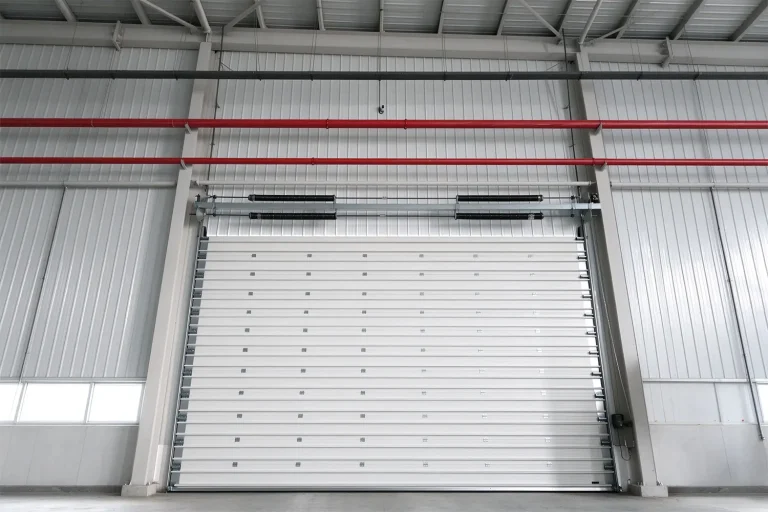
OSHA Guidelines for Loading Docks: The Complete Compliance Checklist
Navigating OSHA guidelines for loading docks is a critical responsibility for Environmental, Health, and Safety (EHS) managers and general contractors designing modern logistics centers. A non-compliant loading dock leveler installation not only risks severe regulatory fines but also endangers warehouse personnel operating heavy forklifts. For upstream procurement teams, understanding these safety frameworks is the first step in selecting reliable industrial door and dock equipment.
The Occupational Safety and Health Administration (OSHA) mandates strict regulations regarding fall protection, equipment operation, and structural integrity at shipping bays. However, OSHA often relies on industry-specific standards to define technical compliance. This is where the American National Standards Institute (ANSI) and the Door & Access Systems Manufacturers Association (DASMA) become essential. High-quality dock equipment must align with ANSI/DASMA 102, 105, 108, 109, and 110 standards, which cover structural performance, wind load testing, and operational safety.
This checklist provides facility directors with a clear, objective overview of loading dock safety regulations. We will examine the structural requirements for hydraulic platforms, the necessity of fail-safe mechanisms, and the international certifications that validate equipment reliability. By prioritizing equipment that holds CE, EAC, and TUV certifications, alongside ISO 45001 occupational health standards, facilities can establish a secure, compliant, and highly efficient freight transfer environment. Understanding these benchmarks allows buyers to filter out substandard suppliers and partner with established OEM manufacturers.
Structural Integrity and ANSI/DASMA Standards
OSHA requires that all loading dock equipment safely support the maximum intended load. This capacity must be clearly marked on the equipment and strictly adhered to by forklift operators. To meet these demands, procurement specifications should require compliance with ANSI/DASMA standards, which dictate rigorous testing for structural fatigue and load distribution.
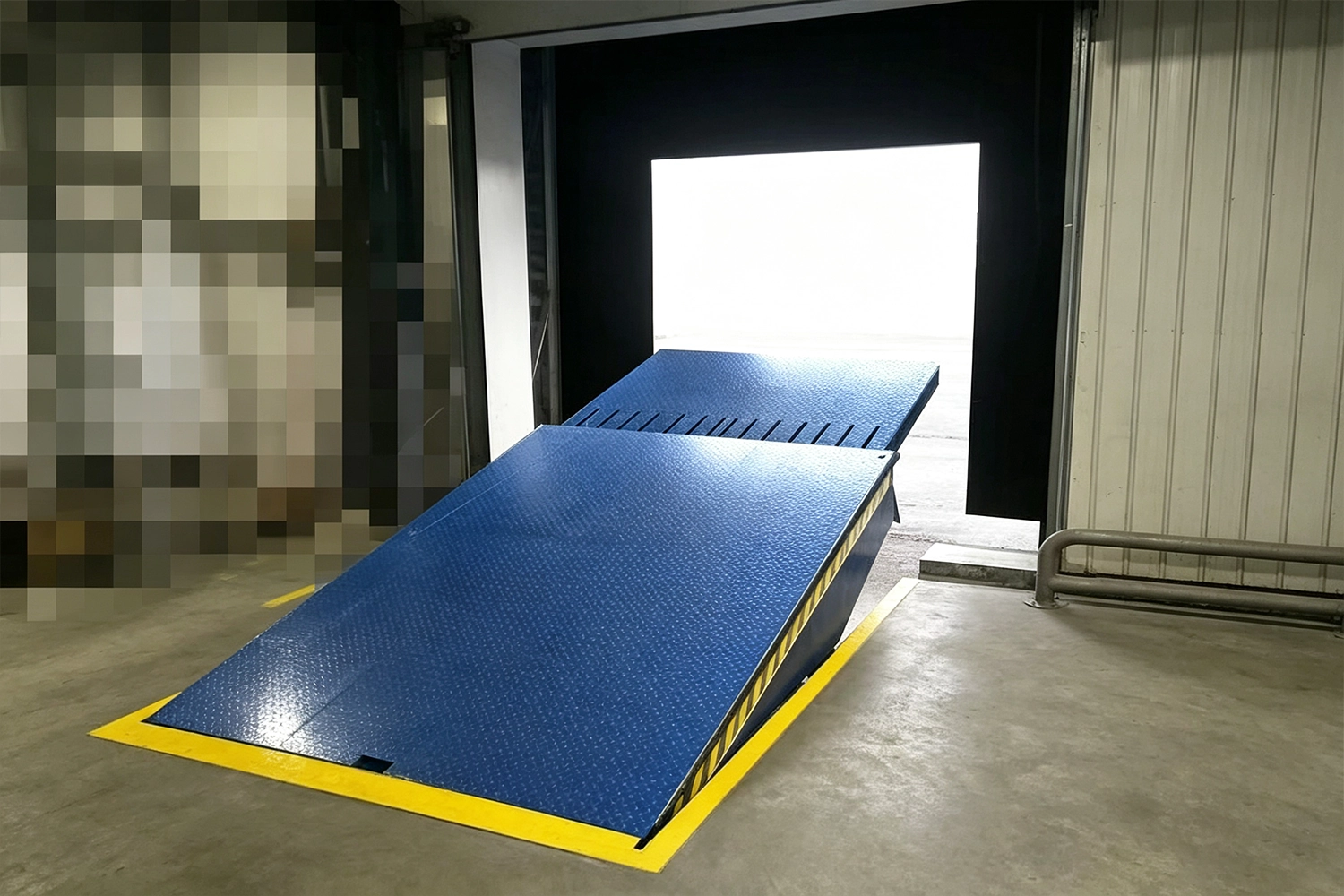
For instance, the platform and lip of a dock leveler must withstand repetitive impact without deformation. Premium manufacturers utilize high-tensile steel and enclosed tubular hinge designs to prevent structural warping over time. [Internal Link Placeholder: Explore Heavy-Duty Hydraulic Dock Levelers].
Fall Protection and Edge Safety
Unprotected dock edges are a primary focus of OSHA inspections. When a dock is not in active use, the edge presents a significant fall hazard for pedestrians and material handling equipment. OSHA regulations stipulate that any wall opening or hole with a drop of 4 feet or more must be guarded.
While closed overhead doors act as a barrier, open bays require visual warnings or physical barricades. Many modern facilities integrate safety lips on their dock levelers or utilize interlocked restraint systems to prevent premature truck departure, further mitigating fall risks.
Routine Inspection and Maintenance Mandates
Compliance is not a one-time achievement; OSHA requires ongoing equipment maintenance to ensure continuous safety. Facilities must implement a documented inspection schedule for all dock levelers, vehicle restraints, and industrial doors. Any equipment found to be defective must be immediately removed from service until fully repaired.
Partnering with a manufacturer that offers smart IoT control boxes can streamline this compliance requirement. These systems provide real-time fault codes and operational data, allowing EHS managers to maintain precise digital records of equipment health.
CONTACT ABX
Your Direct Source for Industrial Access Solutions
We offer 24/7 support. Feel free to leave us a message — we'll reply within 24 hours.