Safety Requirements for Operating a Hydraulic Dock Leveler
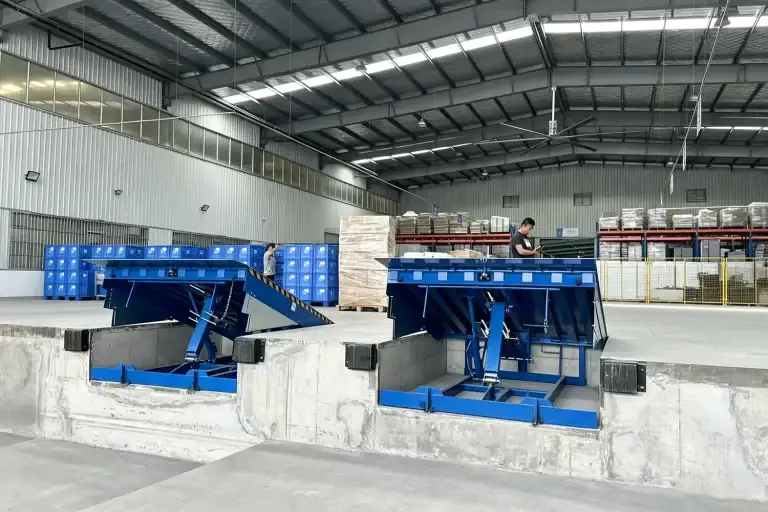
Establishing strict safety requirements for operating a dock leveler is fundamental to preventing catastrophic accidents during high-volume freight transfers. For procurement managers and warehouse operators, selecting a hydraulic dock leveler equipped with fail-safe mechanisms is the first line of defense against equipment malfunction. A loading dock is a high-risk zone where heavy machinery, pedestrian traffic, and massive commercial vehicles intersect daily.
Operating these systems safely requires more than just basic operator training; it demands equipment engineered to handle unexpected variables, such as premature truck departures or sudden load shifts. Hydraulic systems are generally preferred over mechanical units in heavy industrial settings due to their smooth operation and integrated safety valves. However, ensuring compliance with ANSI/DASMA standards and international safety directives (like CE and EAC) is crucial when evaluating different manufacturers.
This technical guide outlines the essential safety features that must be present in a modern hydraulic dock leveler. We will detail the mechanics of velocity fuses, the importance of structural hinge integrity, and the protocols for safe daily operation. By understanding these technical specifications, EHS directors and facility buyers can make informed purchasing decisions that prioritize worker safety and equipment longevity. Investing in high-quality, source-factory equipment ultimately reduces liability and ensures a stable operational environment.
Essential Fail-Safe Mechanisms
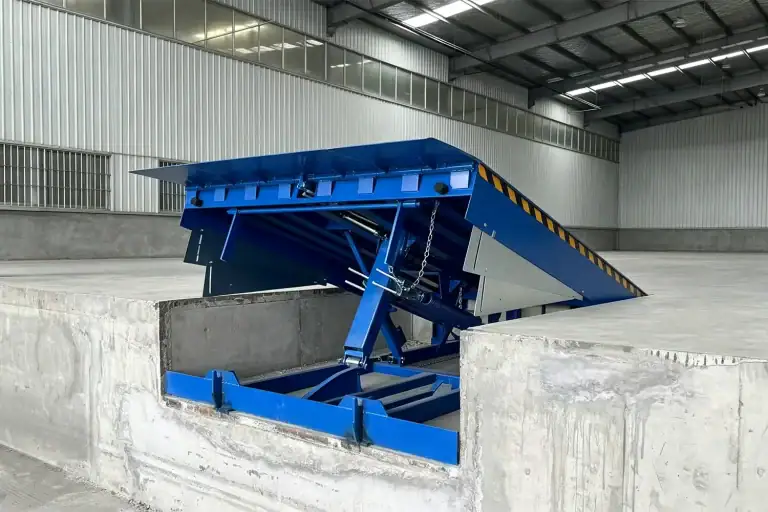
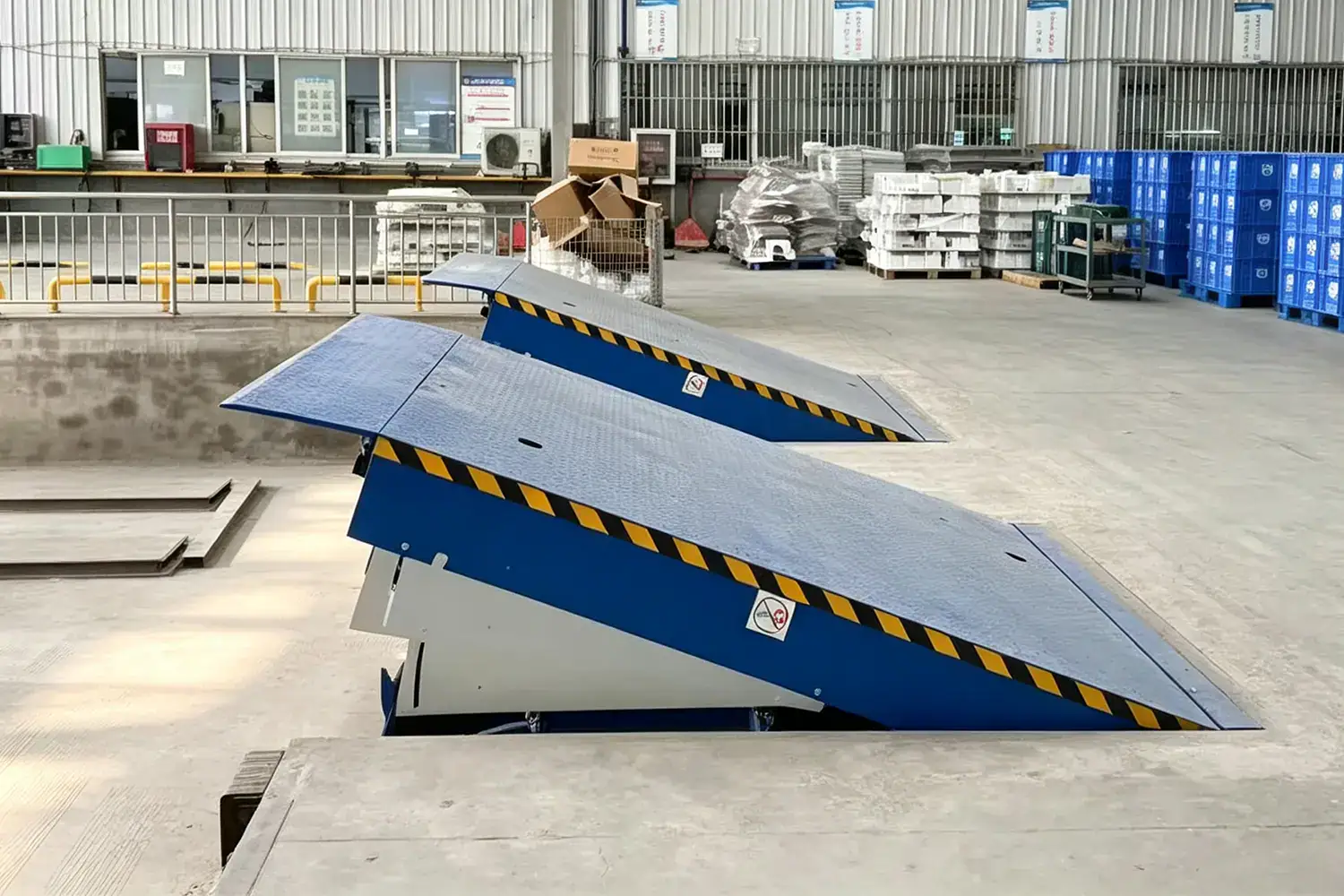
The most critical safety feature of a hydraulic dock leveler is the velocity fuse, also known as a hydraulic safety stop. In the event of a premature truck departure while a forklift is on the platform, the velocity fuse instantly locks the hydraulic cylinders. This prevents the platform from entering a free-fall, protecting the operator and the cargo.
Procurement teams must verify that the selected equipment includes this anti-fall protection as a standard feature, not an optional upgrade. Reliable hydraulic systems, such as those utilizing an inverted single-cylinder design, offer superior stability and reduce the risk of fluid leaks that could compromise these safety valves.
Structural Integrity and Hinge Design
The transition point between the dock leveler and the trailer bed experiences immense stress. The lip hinge must be robust enough to withstand the continuous impact of forklift tires. Equipment featuring a closed tubular hinge design effectively prevents structural deformation and keeps debris out of the pivot points.
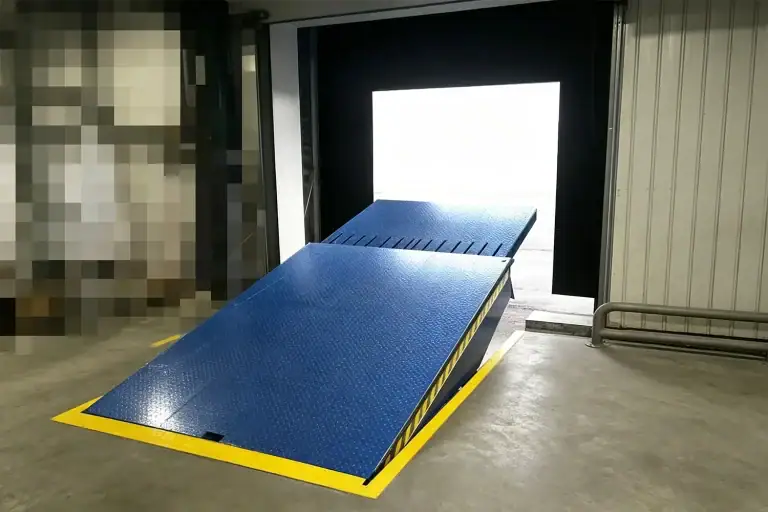
Furthermore, a double 5-degree arch lip design ensures a smooth transition for the forklift. This eliminates the severe bumps that can cause operators to lose control of their loads or suffer ergonomic injuries over time. [Internal Link Placeholder: Structural Design of the H-1000 Series].
Operator Training and Control Systems
Even the safest equipment requires proper operation. Facilities must enforce strict training protocols, ensuring that only authorized personnel operate the dock levelers. Operators must be trained to verify that the truck is properly chocked or restrained before deploying the platform.
Modern IoT-enabled control boxes enhance operational safety by providing clear visual indicators and preventing out-of-sequence operations. These smart panels can interface directly with DCS/PLC systems, ensuring that the dock leveler only operates when all safety conditions are met.
CONTACT ABX
Your Direct Source for Industrial Access Solutions
We offer 24/7 support. Feel free to leave us a message — we'll reply within 24 hours.