What is the Average Cost of a Dock Leveler? Pricing Factors Explained
Determining the average cost of a dock leveler is a primary objective for procurement directors and facility managers budgeting for new logistics centers or warehouse upgrades. However, treating a dock leveler as a simple commodity with a fixed price tag often leads to inaccurate budget forecasting and poor long-term ROI. In the B2B industrial sector, the initial purchase price of loading dock equipment is only one component of the Total Cost of Ownership (TCO). A comprehensive financial evaluation must account for weight capacity requirements, the underlying mechanical or hydraulic technology, and the specific architectural demands of the installation site.
For heavy-duty applications, the cheapest upfront option frequently results in the highest long-term costs due to chronic maintenance failures and operational downtime. While basic mechanical levelers present a lower entry price, modern facilities increasingly specify hydraulic systems. Advanced hydraulic units, particularly those engineered with inverted cylinder designs and enclosed tubular hinges, command a higher initial investment but drastically reduce ongoing maintenance expenditures. Furthermore, procurement teams must factor in freight, concrete pit construction, and integration with existing facility management systems.
This analytical guide breaks down the core pricing factors associated with industrial dock levelers. We will explore how dynamic load capacities dictate material costs, the financial differences between mechanical and hydraulic actuation, and the hidden expenses of installation. By understanding these variables, upstream buyers can make data-driven purchasing decisions that align with their facility’s throughput demands and long-term financial targets. To assist with precise budget calculations, we encourage engineering teams to utilize our 2-step download funnel for detailed PDF technical specifications and CAD drawings.

Key Factors Influencing Dock Leveler Pricing
Weight Capacity and Structural Materials
The most significant driver of a dock leveler’s cost is its dynamic weight capacity. Standard capacities range from 25,000 lbs to over 80,000 lbs. Higher capacity units require thicker, high-tensile steel deck plates and reinforced structural beams to prevent deformation under the repetitive stress of heavy forklifts.
Procurement teams must calculate the maximum combined weight of their heaviest forklift and its maximum payload, then add a safety margin. Specifying a unit with insufficient capacity to save upfront costs will inevitably lead to structural failure, voided warranties, and severe safety liabilities.
Mechanical vs. Hydraulic Systems
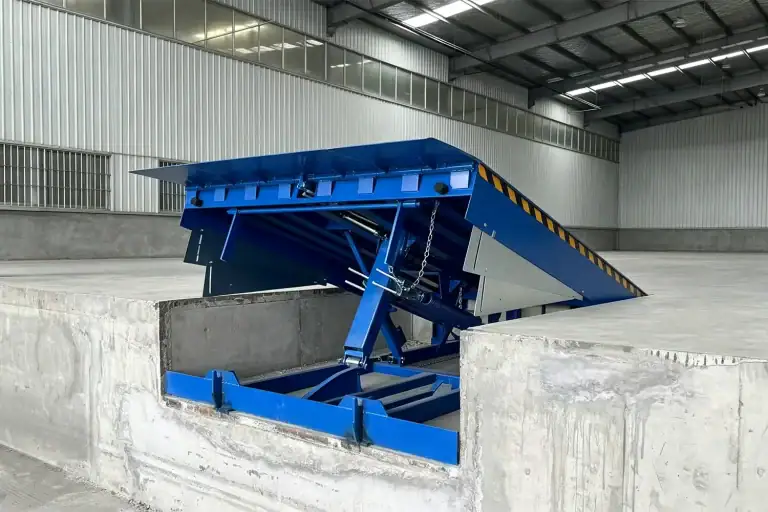
The actuation mechanism fundamentally impacts both the purchase price and the TCO. Mechanical dock levelers, which rely on heavy-duty springs and hold-down chains, are generally the most cost-effective upfront. However, they require frequent tension adjustments and lubrication.
Hydraulic dock levelers represent a higher initial capital expenditure but offer superior ROI for high-volume facilities. Premium models, such as the ABX H-1000 series, utilize an inverted single-cylinder design that prevents debris accumulation and eliminates the root cause of hydraulic leaks, thereby slashing annual maintenance budgets.
Installation and Pit Modification Costs
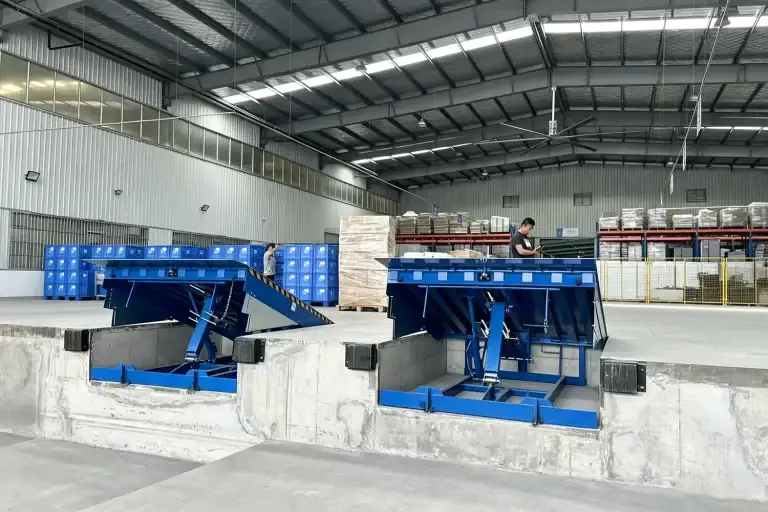
The quoted price of a dock leveler rarely includes installation. For new construction, the cost of forming the concrete pit must be factored into the general contractor’s budget. Standardizing pit dimensions early in the architectural phase prevents costly concrete cutting later.
For retrofit projects, installing a new leveler into an existing pit may require steel shimming or concrete modifications if the dimensions do not perfectly align. Partnering with an OEM manufacturer that provides precise CAD drawings ensures seamless integration and minimizes unexpected installation surcharges.
CONTACT ABX
Your Direct Source for Industrial Access Solutions
We offer 24/7 support. Feel free to leave us a message — we'll reply within 24 hours.