Loading Dock Maintenance Checklist: Strategies to Minimize Facility Downtime
Effective loading dock maintenance is a critical operational requirement for modern logistics centers, manufacturing plants, and large-scale distribution hubs. For facility managers and procurement directors, the reliability of a loading dock leveler directly impacts overall supply chain efficiency and facility throughput. When a dock goes down, the resulting bottleneck disrupts shipping schedules, increases labor costs, and creates severe safety hazards for forklift operators.
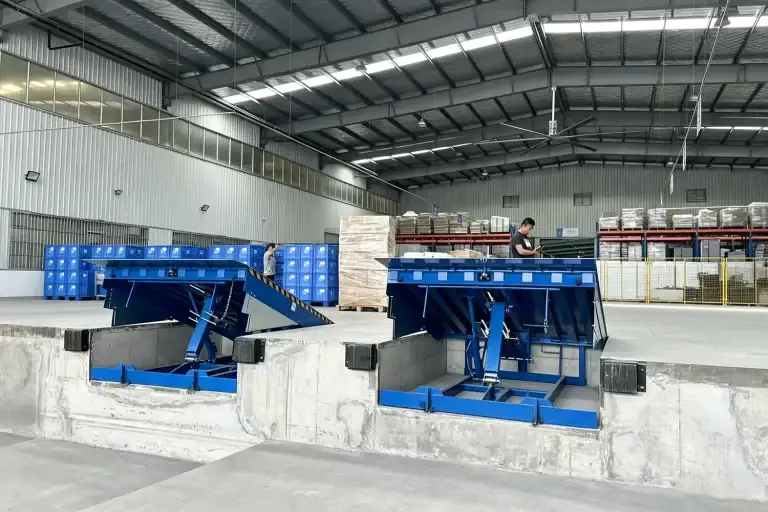
Implementing a rigorous loading dock maintenance checklist is not merely about preserving equipment; it is a strategic approach to minimizing facility downtime and protecting your bottom line. High-volume facilities handling hundreds of truck cycles daily require robust infrastructure, such as heavy-duty hydraulic dock levelers, to sustain continuous operations. However, even the most durable equipment demands systematic upkeep to function safely under maximum load capacities.
This comprehensive guide provides upstream buyers and facility operators with a data-driven framework for dock system upkeep. We will explore the essential inspection protocols, the financial benefits of preventative servicing, and how to identify wear and tear before it leads to catastrophic failure. By standardizing your maintenance procedures, you can significantly extend the lifespan of your dock equipment, ensure compliance with stringent OSHA safety regulations, and maintain a seamless flow of goods across your loading bays. Understanding these maintenance dynamics allows procurement teams to make informed decisions when upgrading or replacing aging dock infrastructure.
Why Preventative Maintenance Matters for Dock Levelers
Reactive repairs are consistently more expensive than scheduled preventative maintenance. Waiting for a dock leveler to fail before servicing it often results in expedited shipping costs for replacement parts and expensive emergency labor rates. Furthermore, malfunctioning dock equipment poses a significant safety risk to warehouse personnel.
A proactive maintenance strategy ensures that minor issues, such as a loose hinge or a worn weather seal, are addressed immediately. This approach extends the lifecycle of the equipment and guarantees that the loading bay remains operational during peak transit hours. Facilities that adhere to a strict maintenance schedule report up to a 40% reduction in unexpected equipment downtime.
Core Loading Dock Maintenance Checklist
Daily Visual Inspections
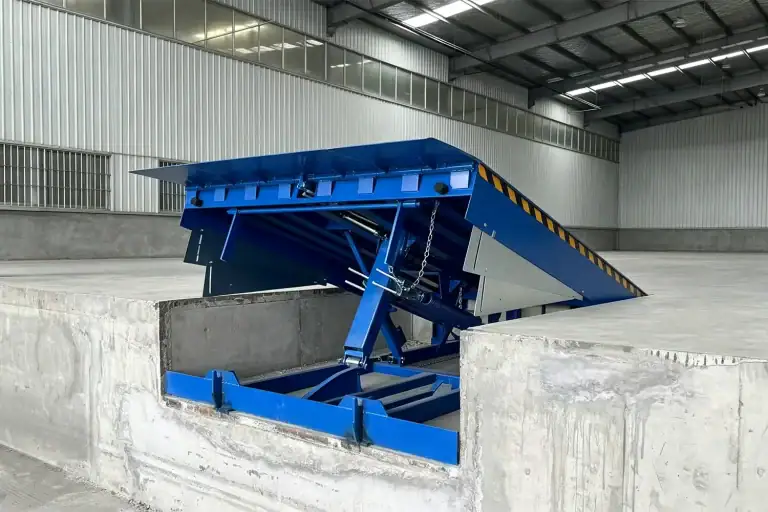
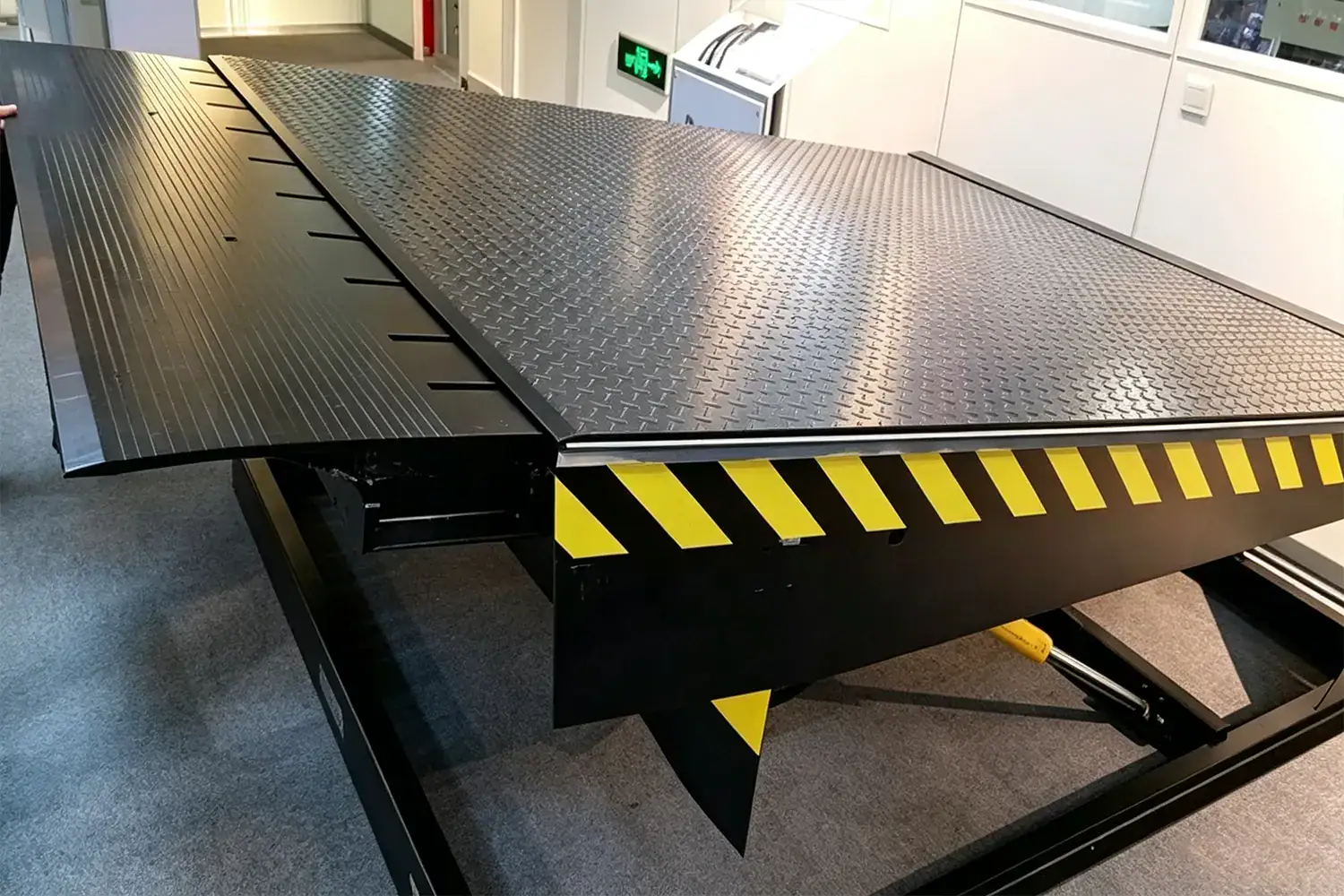
Facility personnel should conduct a brief visual inspection of the loading dock area before the start of every shift. This includes checking the dock leveler lip for any signs of bending or structural fatigue. Operators must also ensure that the dock pit is free of debris, which can obstruct the mechanical or hydraulic components.
- Debris Clearance: Remove pallets, shrink wrap, and trash from the pit area.
- Lip Operation: Verify that the lip extends and retracts smoothly without hesitation.
- Control Panel: Check for any error codes or unresponsive buttons on the control station.
Quarterly Mechanical Servicing
Every three to months, a qualified technician should perform a comprehensive evaluation of the dock system. For hydraulic units, this involves inspecting the fluid levels, checking hoses for abrasions, and ensuring the cylinders are free of leaks. Mechanical dock levelers require thorough lubrication of all pivot points, springs, and hinges.
Technicians must also inspect the structural integrity of the platform and the rear hinge assembly. Any signs of cracked welds or metal fatigue require immediate attention to prevent structural failure under heavy forklift loads.
Upgrading to Low-Maintenance Dock Systems
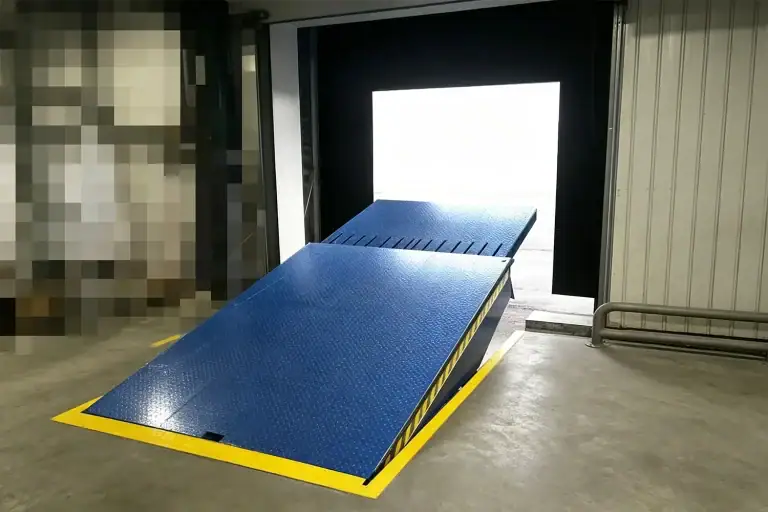
When existing equipment requires constant repairs, procurement teams should evaluate the ROI of upgrading to modern, low-maintenance systems. Advanced hydraulic dock levelers, such as those featuring an inverted cylinder design, fundamentally prevent oil leaks and reduce the burden on maintenance staff. Additionally, features like a double 5-degree arch lip ensure smooth forklift transitions, minimizing impact damage to both the equipment and the vehicle.
Investing in high-quality OEM equipment reduces the long-term total cost of ownership. By selecting systems engineered for durability and minimal upkeep, facility managers can allocate their maintenance budgets more efficiently.
CONTACT ABX
Your Direct Source for Industrial Access Solutions
We offer 24/7 support. Feel free to leave us a message — we'll reply within 24 hours.